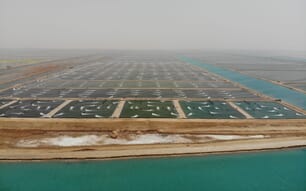
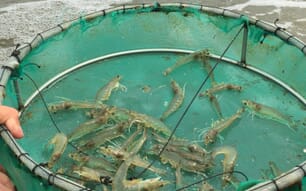
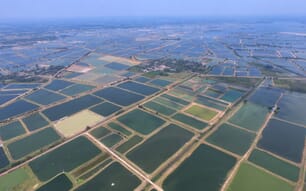
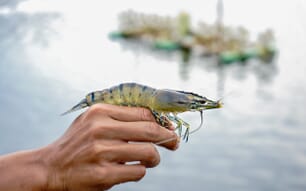
Despite being dominated by the production of a single commodity, shrimp farming is a remarkably disparate business with a huge variety of business models and production techniques.
For decades China has been the world’s largest exporter of seafood but, in the space of 12 months – following a 30 percent rise in imports – it has become a net importer, heralding a genuinely pivotal moment in the seafood sphere.
The shrimp sector is in for a difficult year, with many of the smaller farmers likely to go out of business, according to Rabobank’s latest Global Aquaculture Update, which was published this week.
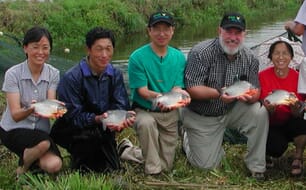
Following the launch of a new tilapia welfare assessment programme in China, IQC’s Conglong Li and Sisi Xie explain why they are working with FAI to raise awareness of its importance – both for ethical and economic reasons.
Though many are still at the pilot stage and haven’t been proven at an industrial scale, analysis from Spheric Research suggests that indoor shrimp farming has huge potential to transform the wider industry.
Although the $4 billion giant river prawn (Macrobrachium ronsebergii) sector has largely stagnated over the last decade, new breeding programmes could help pave the way for its resurgence.
Though Asia already leads the world in the traditional seafood trade, it is poised to gain global dominance in the nascent alternative seafood segment.
A range of initiatives from US soy producers have been integral to the transformation of China’s aquaculture sector from traditional rural polyculture to modern methods, thereby inspiring the industry’s phenomenal growth.
Recent genetic advances are being heralded as possible game-changers for the tiger prawn (Penaeus monodon) farming sector, potentially bringing a welcome renaissance to a sector that has fallen far behind vannamei shrimp in the past decades.
When I was contemplating a topic for this month’s article, I was reminded of a question my daughter asked me several years ago: “Can we feed our dogs a vegetarian diet?”