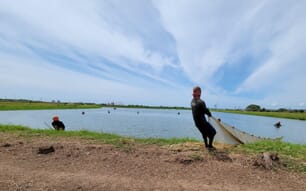
Kenya-based insect farmer, aquaculture consultant and entrepreneur Proscovia Alando aims to establish the largest fish farming operation in East Africa, in a bid to improve prospects of the region’s women and youth in particular.
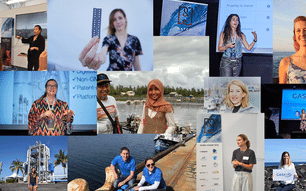
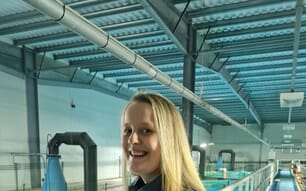
Hatch and Conservation International (CI) have put 10 female-led aquaculture businesses through their paces as part of their first-ever Women in Aquaculture Innovation Studio programme.
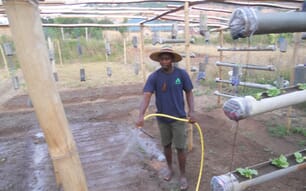
26-year-old Wilfred Agbi runs Weija Farms, a catfish hatchery and an “aquaculture evangelism” agency in Ghana that aims to train up young people who are looking to establish their own fish farms.
Part I of this series covered the ornamental aquaculture industry and how to get a successful business started. This second instalment offers insights into the types of businesses and discusses options for the varieties of fish to produce.
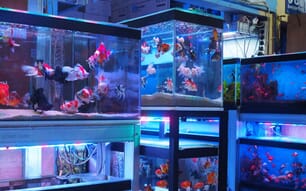
Yarangjang Imchen claims to be the first ornamental fish and shellfish farmer in the landlocked state of Nagaland in northeast India, operating 40 tanks in his backyard.
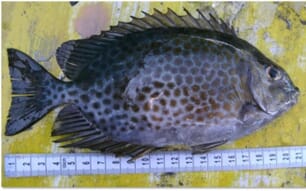
“Rabbitfish have amazing potential for small-scale sustainable aquaculture across the tropics: they are easy to grow have high local demand and they are herbivorous and feed on a variety of freely-available feeds.”
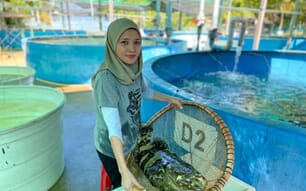
Ching Fui Fui is an associate professor at the University Malaysia in Sabah. She runs the university fish hatchery and works at the Borneo Marine Research institute, a centre of excellence working on conservation and sustainable development of marine resources…
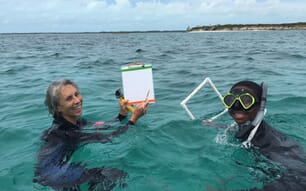
Dr Megan Davis of Florida Atlantic University (FAU) has spent over four decades growing queen conch, a species in steady decline. Her work holds promise as a way of safeguarding the species through community-based solutions.
Donnie Bunting started out in the dairy industry but decided to farm tilapia to stay ahead of the curve. Now, his family-owned business has expanded and produces tilapia, redclaw crayfish and Malayan prawns.
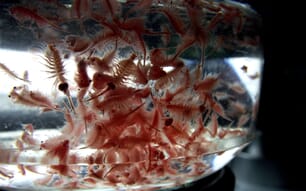
Artemia are valuable as live feeds for the early life stages of shrimp. While they might be expensive, if used correctly – as explained below – they should fully justify the investment
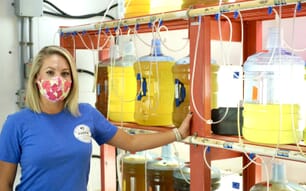
Through her own shellfish hatchery, Victoria Parks has been taking steps to support local clam growers in Florida and maintain healthy, sustainable farming practices.
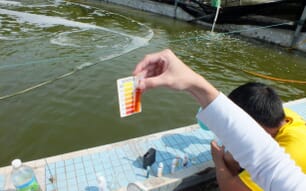
Saran untuk menghindari kerugian besar akibat early mortality syndrome (EMS) – salah satu penyakit paling parah yang melanda budidaya udang dalam dekade terakhir.