

© AFWN
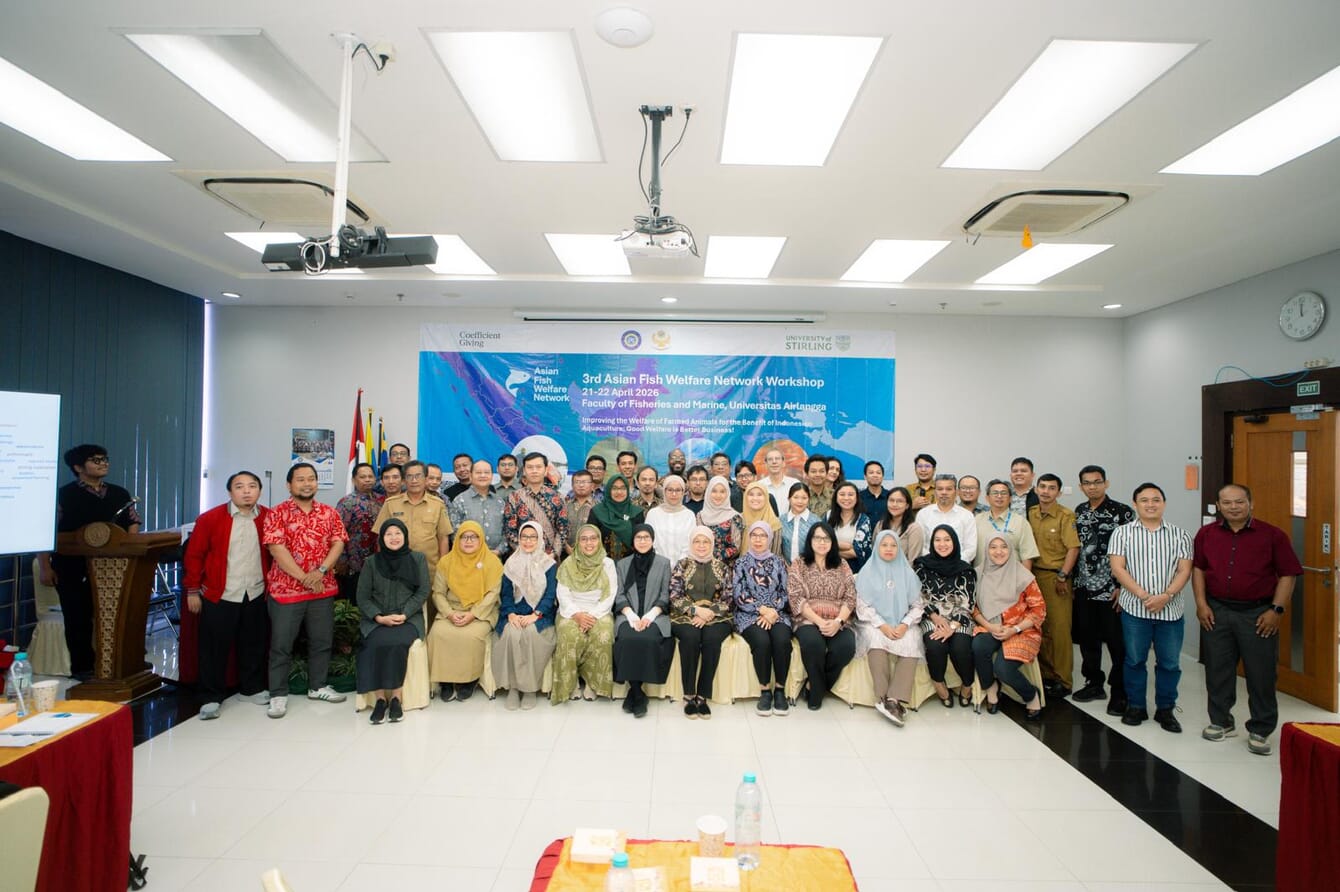
Fish welfare has received growing attention in Europe over the past two decades, but in Indonesia the concept remains largely unfamiliar. A workshop held in Surabaya in April 2026 aimed to change that, bringing together researchers, aquaculture businesses, NGOs and sustainability practitioners to discuss how welfare considerations could be incorporated into one of the world's largest aquaculture sectors.
The event formed part of the Asian Fish Welfare Network (AFWN), an initiative led by the University of Stirling and funded by Coefficient Giving. Unlike Thailand and Vietnam, where earlier projects have already stimulated further research on fish welfare, Indonesia is still at an early stage of exploring the topic, with limited research and policy attention to date.
Workshop participants said one of the biggest challenges is that fish welfare is often perceived as an additional burden rather than an opportunity for improvement.
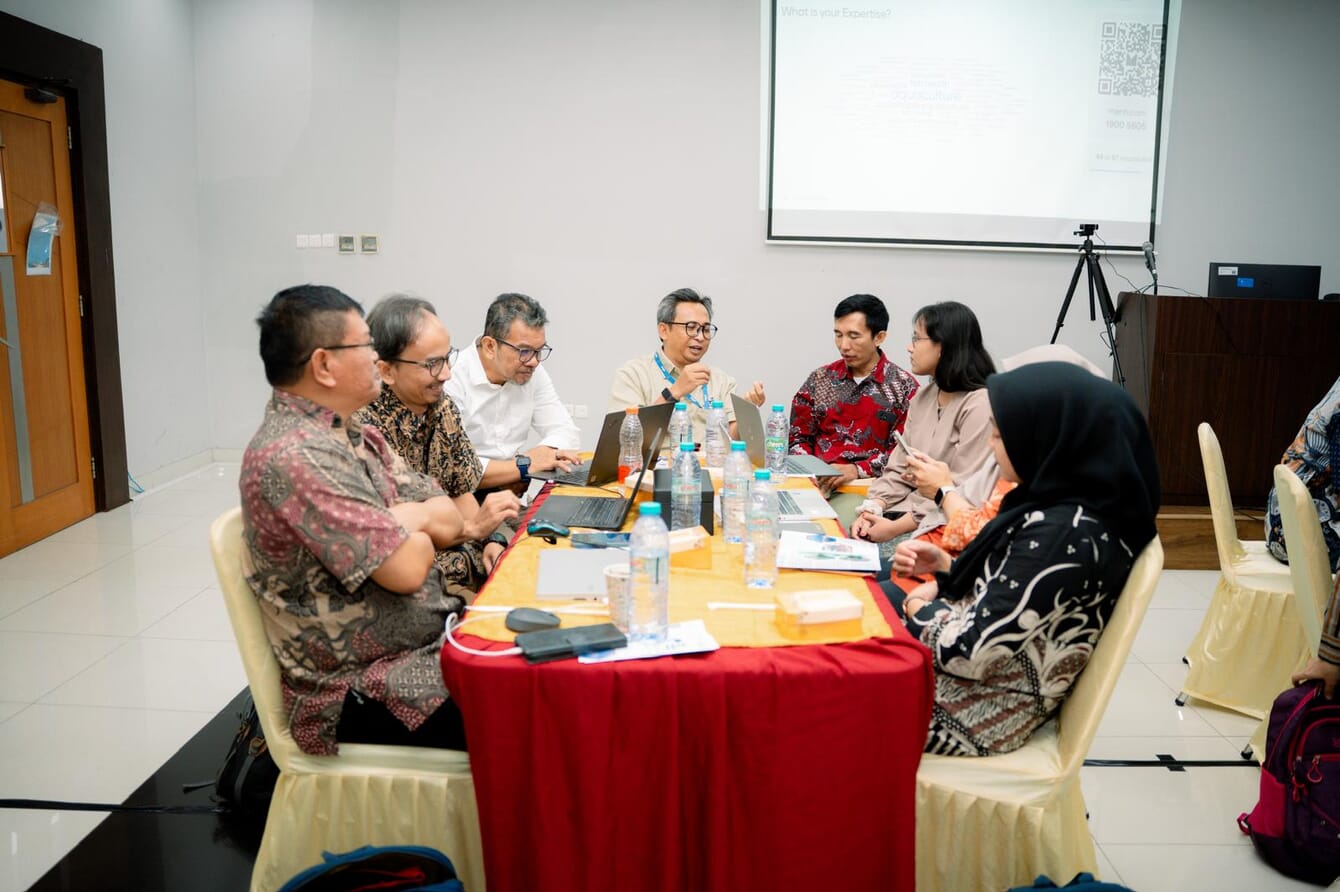
During group discussions, Pande Sasmita, PhD, from Universitas Udayana, shared insights from conversations with fish farmers in Indonesia. He explained that many farmers reacted negatively when first introduced to the term "fish welfare".
"When farmers hear the phrase ‘fish welfare’, they immediately become concerned," Sasmita explained. "Many assume it will introduce new requirements that make production more complicated or more expensive. Some worry it could affect their ability to continue operating small-scale farms that support their families."
According to Sasmita, many farmers initially reject the idea before understanding what fish welfare actually means in practice.
This reaction highlights a broader challenge facing welfare advocates in Asia. Unlike Europe, where welfare discussions are increasingly linked to certification schemes, consumer expectations and sustainability standards, many aquaculture producers in Indonesia are primarily focused on maintaining production, managing disease outbreaks and coping with rising operational costs.
© AFWN
As a result, workshop participants emphasised that understanding local perceptions must come before introducing welfare interventions.
"Before discussing solutions, we first need to understand how fish welfare is perceived by different stakeholders across Indonesia," Indun Dewi Puspita, PhD, from Universitas Gadjah Mada, noted during discussions.
To support this effort, AFWN has launched a call for research proposals in Indonesia focused on fish welfare narratives, farmer perceptions and opportunities for welfare improvements within local aquaculture systems. The initiative encourages collaboration between universities, private sector actors, NGOs and international partners.
Professor Dave Little from the University of Stirling explained that the objective is not to transfer European welfare models directly into Asian aquaculture systems. Instead, researchers are seeking to understand how welfare principles can be adapted to local production realities and economic conditions.
Indonesia presents a unique challenge due to the diversity of its aquaculture sector. Production ranges from large-scale export-oriented shrimp operations to small family-owned ponds producing fish for local markets. Welfare approaches that work in one production system may not be suitable for another.
The workshop also highlighted interest from sustainability practitioners who see fish welfare as part of broader efforts to strengthen responsible aquaculture in Indonesia.
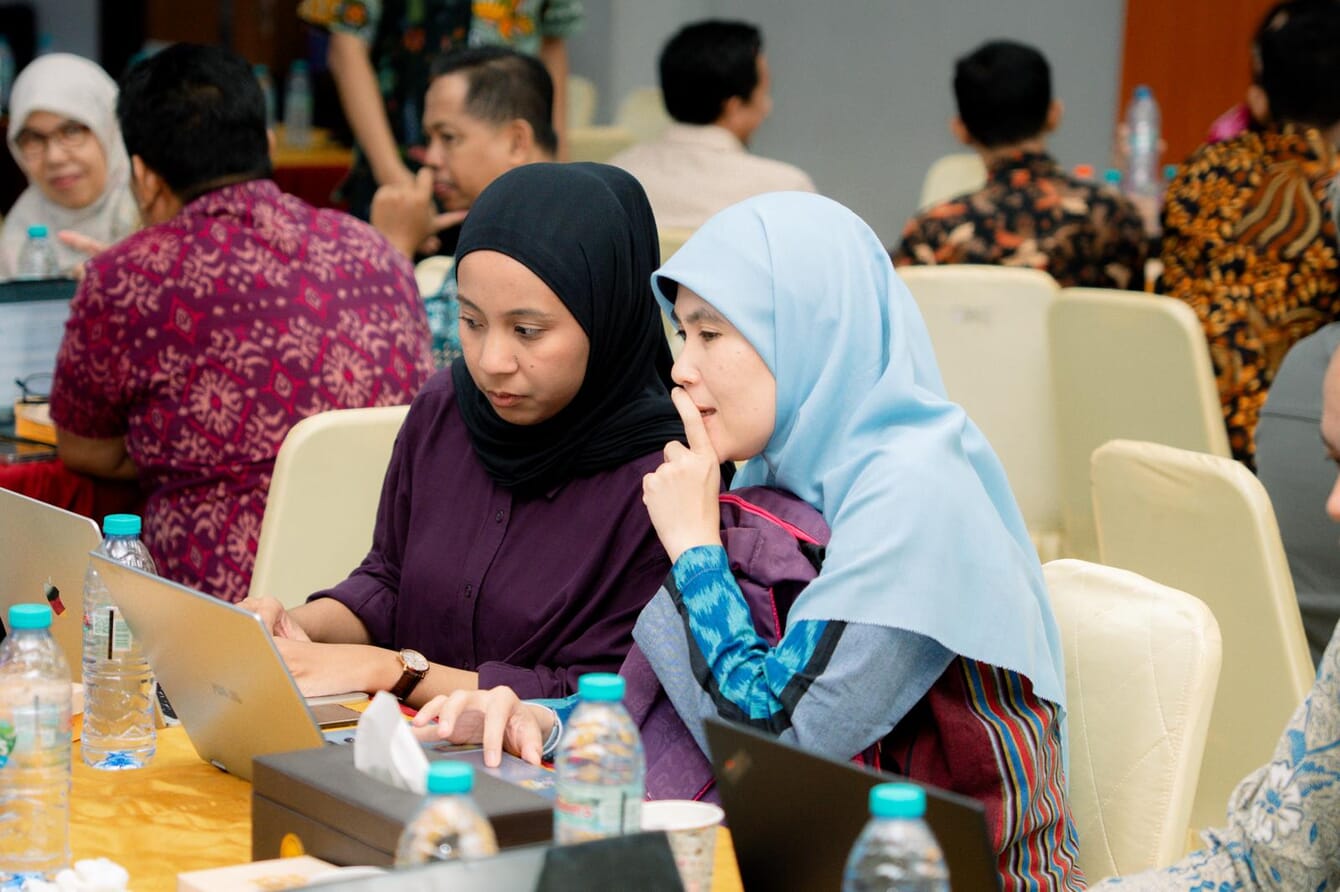
Salwa Raihana, business development and project manager at Senang Eco, a sustainability consultancy working on food systems and environmental initiatives, noted that fish welfare is not only about animal welfare but also about understanding how sustainable production systems can support both fish and people.
© AFWN
"As Indonesia continues to position itself as a major aquaculture producer, understanding fish welfare will become increasingly important. It is not only about the fish themselves, but also about supporting sustainable production practices and meeting evolving expectations in international markets. For me, learning about fish welfare felt like opening a door that was previously invisible. While this field has been developing in Europe and the UK for years, Indonesia now has the opportunity to learn from these experiences and shape its own approach," Salwa said.
Fish welfare remains a relatively new topic in Indonesia. While Thailand and Vietnam have already taken initial steps to explore fish welfare through earlier activities under the initiative, Indonesia is now beginning a similar journey. Participants agreed that the workshop represented an important first step in building awareness among farmers, researchers and industry stakeholders, and in laying the foundation for future welfare improvements.
Whether fish welfare becomes widely adopted across Indonesian aquaculture remains to be seen. However, for the first time, researchers, industry representatives and sustainability practitioners are beginning to have the conversation.
For a country that ranks among the world's leading aquaculture producers, many participants believe that conversation is long overdue.


