In markets around the world, aquaculture producers are waking up to the opportunities offered by native and indigenous species. We look at initiatives from Brazil and elsewhere that are making use of their local resources.
Marcela Salazar, Benchmark’s shrimp production manager and one of the pioneers of shrimp genetics, explains how shrimp breeding programmes have evolved and are likely to be heading.
Aiming for a greater share of the domestic market, and to bring sustainable practices into the industry’s foreground, shrimp producer Russkaya Krevetka is hoping to start a Russian aquaculture revolution.
With a surge in domestic demand, and a bold new initiative, Burkina Faso has ambitious plans for its aquaculture. But can this land-locked African nation really achieve a 40-fold increase in fish production within a year?
Andy Shinn, director of Fish Vet Group Asia, and a world renowned expert on aquatic parasites, believes that the shrimp sector can do more to limit the impact of those disease challenges that form the sector’s largest constraint.
Nonglak “Anne” Thaisin, founder and CEO of Quality Farm, has been producing vannamei shrimp in Thailand for 27 years. Here she explains how adaptability and the development of new production systems, as well as new feeds and health products, is essential to st…
The US seaweed aquaculture sector is beginning to take off, in the process growing brand new businesses, providing important ecosystem services and allowing fishermen to supplement their income, as Tim Harder explains.
Following a recent report from the FAO on the threats posed by the production of invasive (potentially non-native) species in aquaculture, Gregg Yan and Jonah van Beijnen argue that a number of measures are needed to steer the global aquaculture sector away fr…
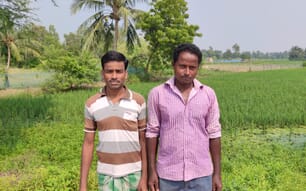
Many traditional farmers in West Bengal have diversified into shrimp aquaculture. But while it has made some farmers rich, others have found it has put their livelihoods – and perhaps even their lives – at risk.
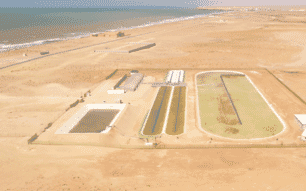
Professor Ahmed Hassan discusses the scope, scale and ambition of the Suez Canal Fish Farming and Aquaculture Company, which is well on its way to achieving one of the most ambitious outdoor aquaculture projects ever seen.
Algae producer SuSeWi is embarking on a visionary project that aims to create “the largest algae farm on earth” – in order to produce a valuable source of protein and long-chain omega-3s for the aquafeed sector.
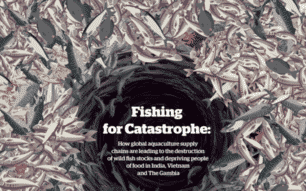
A new report by the Dutch-based Changing Markets Foundation claims that retailers, including top UK supermarkets, are linked to “illegal, unsustainable fishing operations in India, Vietnam and The Gambia”.
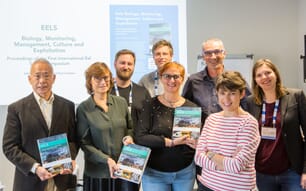
On the day that Eels: Biology, Monitoring, Management, Culture and Exploitation, is launched, The Fish Site caught up with Paul Coulson, who co-edited the book with Andy Don, to find out more about the enduring appeal of anguillids.