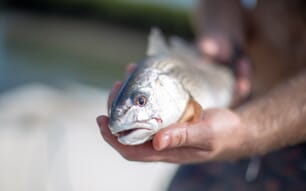
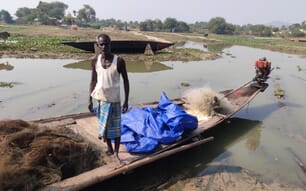
Chocolate mahseer, the state fish of Nagaland in northeast India, has become endangered due to overexploitation. However, a new aquaculture initiative may help to inspire its resurgence.
The fate of Mexico’s nascent Totoaba aquaculture industry is hanging in the balance, as farmers await a decision by CITES on whether it will be possible to export this once-threatened species.
Paul Shapiro, CEO of The Better Meat Co, believes that mycoprotein fermentation will give the plant-based seafood sector a whole host of ingredients for their edible offerings, while making the global food system more sustainable.
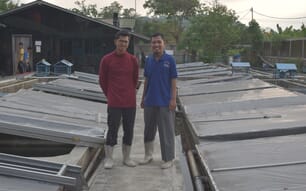
Indonesia’s eel farming industry has huge potential – as long as all stakeholders can make a supportive ecosystem – according to Angga Kurniawan, general manager of one of the country’s pioneering eel farms.
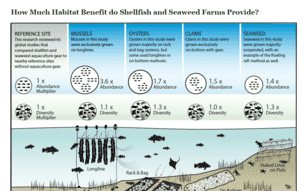
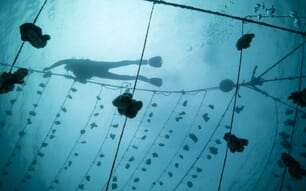
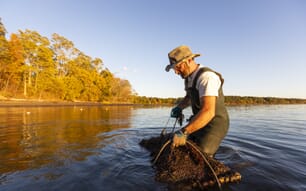
The aquaculture of edible bivalves and seaweeds can have a positive impact on marine habitat for fish and invertebrates, including crabs and lobsters, according to a new study.
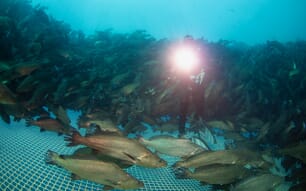
Several aquaculture initiatives aim to reverse the decline of the Totoaba, a fish species that is only found in Mexican waters and has nearly been fished to extinction.
A group of researchers in the Philippines is looking to develop and commercialise an app that helps farmers differentiate between three very closely connected crab species – a goal that could save the crab ranching sector millions of dollars.
How kelp farms can provide habitat for fish and marine invertebrates, whether there are any negative impacts on fish and marine invertebrates during maintenance and harvesting cycles, and how the benefits of restorative aquaculture can be optimised for both th…
Anyone looking to sequester carbon and improve biodiversity should seriously consider in investing in seagrass restoration, according to Mark Parry, development officer at the Ocean Conservation Trust.
Wild broodstock are still widely collected – both for aquaculture and for restocking purposes – but ensuring the health and welfare of these mature finfish requires careful capture and transport procedures.
The increase in shrimp farming around Chilika Lake in India’s Odisha state has not only been destroying the area’s ecology but also affecting the livelihoods of several thousand fishermen.
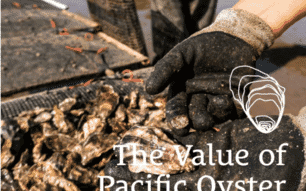
Following a reduction in seafood restaurant sales during the pandemic, a new project aims to take 5 million excess oysters be rebuild shellfish reefs – turning economic calamity into long-term conservation gain.