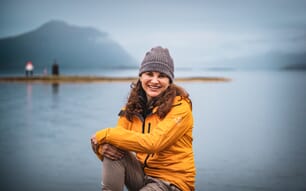
Jennifer Bushman senses encouraging trends in investment and innovation in – as well as acceptance of – aquaculture, but adds that challenges include the urgent need for the salmon farming industry to work together to address ongoing environmental issues.
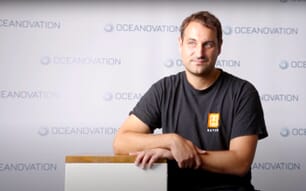
While 2023 might have resulted in a number of impressive achievements for Hatch, its co-founder has been underwhelmed by the pace at which the aquaculture industry has been adopting innovation and believes it will be up to five years before many of the most ex…
After just over a year as CEO of Aqua-Spark, Lissy Smit reflects on the highs and lows of the fund’s portfolio companies and the wider trends affecting investment in aquaculture innovation.
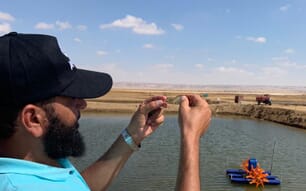
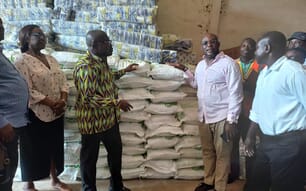
Ghana’s tilapia farmers have been promised a share of the $40 million pledged by the government to alleviate the issues caused by the recent flooding in Lake Volta, but some experts argue that a radical overhaul of the country’s aquaculture strategy is what's …
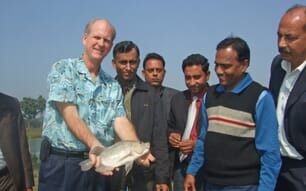
Professor Kevin Fitzsimmons believes that there are plenty of positives to be taken from the last 12 months in aquaculture and has an optimistic outlook for the sector in 2024 – but mention the fisheries and marine ingredients lobbies to him at your peril.
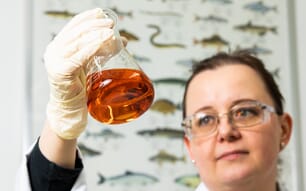
With the aquaculture sector outperforming land-based protein producers on ESG risks – as reported in the recent Coller FAIRR Protein Producer Index – fishmeal and fish oil use in aquafeeds continue to play a critical role in contributing to sustainable protein…
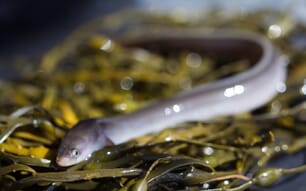
After more than a decade of raising eels, Sara Rademaker, the founder of American Unagi, sees New England’s eel farming sector as having a much greater chance of acceptance – and success – than many of the high profile plans for land-based farms that are curre…
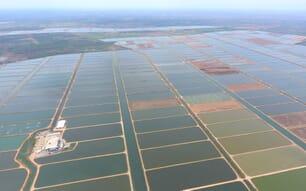
Although Venezuela has the unfortunate distinction of being one of the hardest countries in the world to do business in, Grupo Lamar is on course to reach 100,000 tonnes of shrimp production next year, offering a ray of economic hope for the struggling nation.…
Operators of many of the sector’s largest recirculating aquaculture systems (RAS) have had well-documented struggles to break even. However, Thorsten Vammen claims that the first farm established by Frea Solutions – the Danish trout farming company that he man…