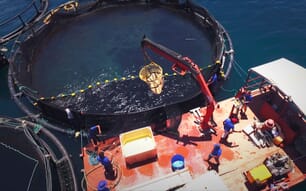
Oceanpick, which is on track to produce 1,200 tonnes of barramundi this year and is one of Sri Lanka’s flagship aquaculture producers, has ambitions to reach 3,000 tonnes a year.
Melania Lynn Cornish is one of Canada’s true seaweed farming pioneers and, following 30 years in the sector, is now passing on her hard-won skills to a new generation of small seaweed farmers in Malaysia.
Although the $4 billion giant river prawn (Macrobrachium ronsebergii) sector has largely stagnated over the last decade, new breeding programmes could help pave the way for its resurgence.
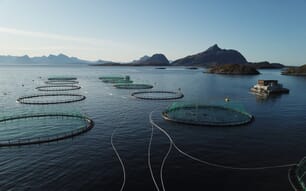
Stronger and larger aquaculture units and enclosed set ups could be the next stage of aquatech, according to a review of Norway’s development license scheme for Atlantic salmon.
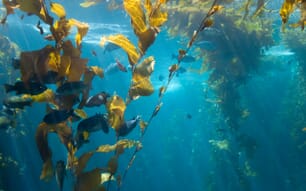
Seaweed aquaculture and kelp forest restoration are getting a tentative nod as a blue carbon strategy – but the way policymakers structure carbon credits and offsets may make its benefits theoretical instead of bankable.
While the oceans are still hugely efficient at producing bivalves such as mussels and oysters, it would be complacent not to consider a future when producing them in urban environments had its merits.
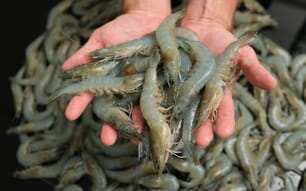
A commercial-scale, modular, stacked aquaculture system that’s capable of producing between 50 tonnes of shrimp a year with minimum human intervention is set to be operational in Singapore in 2023.
As land-based and RAS facilities proliferate, they need a way to address their waste footprint. “Circular aquaculture” could be the way forward – but should producers rely on bacteria, algae or biogas to achieve circularity?
While a “waterfall of capital” might come into the aquaculture sector in the near future, there’s a danger that it might not be sufficient to grow the sector in line with demands for blue foods.