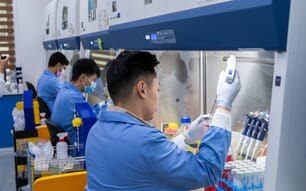
Umami Bioworks is bucking the negative trends that hit the cell-cultivated meat and seafood sectors – landing significant deals with some of the biggest players in the seafood and pet food worlds.
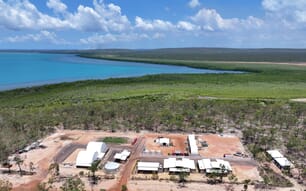
The impending closure of a mine is threatening the future of Groote Eylandt, in Australia’s Northern Territory, but a new initiative, based on old traditions, aims to develop a sustainable blue economy involving integrated aquaculture and small fisheries busin…
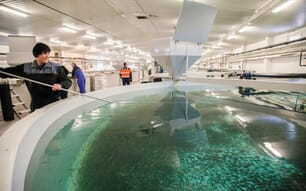
Jonah van Beijnen explores the RAS-mania that grips the global aquaculture industry, along with the reasons behind the variable performance of these systems.
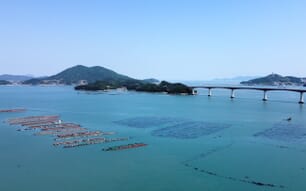
Seaweed farming is increasingly recognised as a promising avenue for sustainable economic development, environmental stewardship and social engagement. However, the success of the sector depends on establishing robust policy frameworks tailored to the unique n…
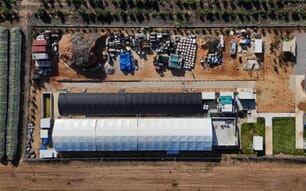
A compound in the middle of an avocado and orange orchard, half an hour from the coast of Israel, might be an unlikely place for a marine finfish farm, but it has its advantages, according to Pure Blue Fish, a startup that’s developed a unique RAS concept.
Following a scathing appraisal of the industry, renowned ecologist, author, and research professor Carl Safina explains his views on contemporary aquaculture, and outlines changes he believes necessary for it to attain true sustainability.
Following promising results from its pilot plant, OoNee has set its sights on building a 200 raceway urchin ranch in Oregon – helping to save kelp forests and produce a significant quantity of a prized seafood.
The seaweed sector is hugely diverse, yet many newcomers are unaware of its complexities. As a result we propose a useful framework for dividing it up into four key groupings, while also helping people to understand the key issues facing each of these groups.
Callum Mackenzie, co-founder and managing director of the non-profit Yunus Thailand, explains the organisation’s ambitions to develop a seaweed-based social business economy to solve both social and environmental challenges.
Lana Fish Company produces tilapia, carp, ornamental fish and even rainbow trout – despite being located in the Saudi Arabian desert – as executive director, Ibrahim Al-Madbouly, explains.