US consumers of tilapia and salmon – as well as the producers of these species in China and Canada – are likely to be the biggest losers in the seafood space if President Trump goes ahead with his planned tariff hikes.
While Ecuador’s meteoric rise if shrimp farming would be near-impossible for other countries to emulate, a recent presentation by the CNA’s chief executive, suggests that Indonesia could learn a great deal from their success.
Umami Bioworks is bucking the negative trends that hit the cell-cultivated meat and seafood sectors – landing significant deals with some of the biggest players in the seafood and pet food worlds.
Michelle Mbeo, founder of Kenyan tilapia producer Lake View Fisheries, explains her ambitions – both for the company and for the country’s aquaculture sector as a whole.
Omega Farm in Fujairah is one of pioneers of fish farming in the UAE, combining innovation, sustainability, and a strong focus on research and development.
Africa’s largest, vertically integrated tilapia farmers deserve to attract more investment, but financiers should look at other options on the continent too, argues Anton Immink, CEO of ThinkAqua.
Francisco Murillo is perplexed by the hundreds of millions of dollars wasted on failing RAS projects, when a fraction of the funding could help proven businesses like Tropo Farms produce tens of thousands more tonnes of tilapia a year.
A compound in the middle of an avocado and orange orchard, half an hour from the coast of Israel, might be an unlikely place for a marine finfish farm, but it has its advantages, according to Pure Blue Fish, a startup that’s developed a unique RAS concept.
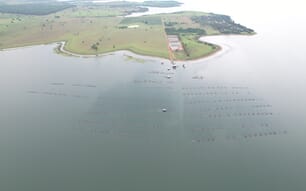
Recent trials in Thailand suggest that mixed-sex tilapia farming might offer a promising alternative to the cultivation of hormone-induced all-male fish, especially in cage farms in Africa.
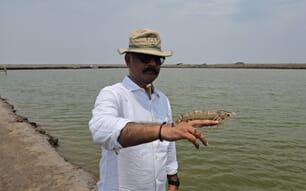
Tulsi Haldar, a 65-year-old carp and shrimp farmer from West Bengal, remains committed to his profession, despite a string of setbacks and a debilitating illness.