France’s appetite for frogs’ legs is largely met by imports, but a farmer near Pierrelatte has developed a strong market supplying premium frogs to Michelin-starred restaurants.
BarAlgae, a producer of microalgal hatchery feeds for shrimp, fish and shellfish, aims to expand globally by setting up microalgae facilities in major aquaculture hubs.
According to the managers involved, a new technology being tested in Qingdao could represent one of the most significant shifts in shrimp production in years: inflatable air dome farming systems.
The early life stages of marine finfish are notoriously tricky to replicate in hatcheries but, according to Planktonic, replacing Artemia and rotifers with the nauplii of one of the world’s most abundant crustaceans can help.
SeaCrop, the Israeli startup pioneering the harvesting of marine microalgae for aquafeed, is in the process of raising funding, after making steady progress on both the technological and commercial fronts.
Although global aquaculture growth is forecast to slow down in 2026 after a year of exceptional increases for salmon and impressive results from many nations’ shrimp and tilapia sectors, there’s cause for cautious optimism for the year ahead.
Unprecedented improvements in black tiger shrimp genetics, combined with their ability to thrive in abandoned vannamei ponds, make them ripe for a comeback – but only if demand can be grown.
Anup Kumar Sarmah is one of the most successful carp farmers in Assam – after a challenging start, within nine years he's grown his annual turnover to close to half a million dollars.
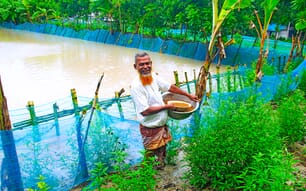
Alam Panchayat swapped a career as an urban chef with a chance to set up his own carp farm in Barguna, on the coast of Bangladesh, slowly growing a successful business, despite the challenges posed by extreme weather.
Changing pond management and feeding strategies are the best way to limit shrimp disease – with those farmers who focus on reducing stress and improving pond health the ones who are consistently succeeding, according to Robins McIntosh.