While Ecuador’s meteoric rise if shrimp farming would be near-impossible for other countries to emulate, a recent presentation by the CNA’s chief executive, suggests that Indonesia could learn a great deal from their success.
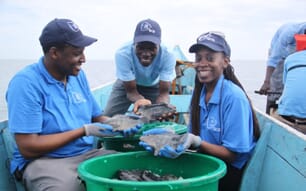
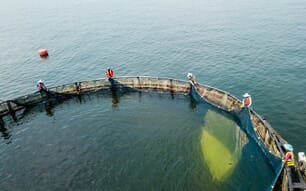
Michelle Mbeo, founder of Kenyan tilapia producer Lake View Fisheries, explains her ambitions – both for the company and for the country’s aquaculture sector as a whole.
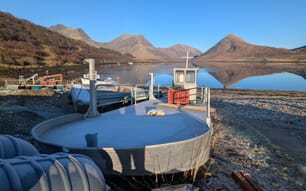
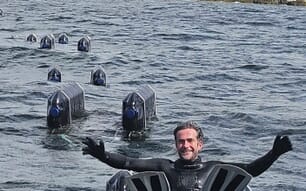
Dr Judith Brown, director of the Isle of Skye Mussel Company, details the highs and lows of her journey to learn the skills needed to farm mussels on the west coast of Scotland.
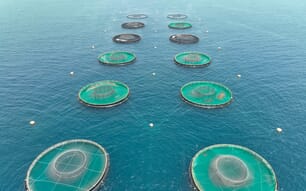
Omega Farm in Fujairah is one of pioneers of fish farming in the UAE, combining innovation, sustainability, and a strong focus on research and development.
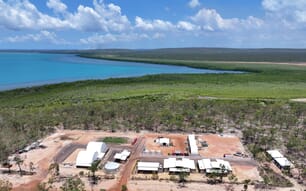
The impending closure of a mine is threatening the future of Groote Eylandt, in Australia’s Northern Territory, but a new initiative, based on old traditions, aims to develop a sustainable blue economy involving integrated aquaculture and small fisheries busin…
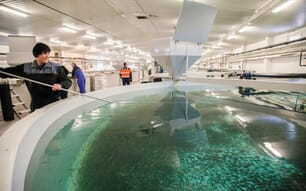
Jonah van Beijnen explores the RAS-mania that grips the global aquaculture industry, along with the reasons behind the variable performance of these systems.
Francisco Murillo is perplexed by the hundreds of millions of dollars wasted on failing RAS projects, when a fraction of the funding could help proven businesses like Tropo Farms produce tens of thousands more tonnes of tilapia a year.
For a decade Tom Ashton has held a fascination with Scotland's native oyster, and today has made it his mission to make the species a commercial and environmental success.
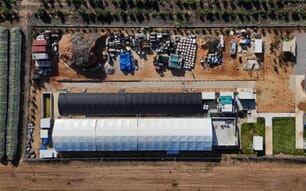
A compound in the middle of an avocado and orange orchard, half an hour from the coast of Israel, might be an unlikely place for a marine finfish farm, but it has its advantages, according to Pure Blue Fish, a startup that’s developed a unique RAS concept.
Following promising results from its pilot plant, OoNee has set its sights on building a 200 raceway urchin ranch in Oregon – helping to save kelp forests and produce a significant quantity of a prized seafood.
A project in Duhok, in Iraqi Kurdistan, aims to produce up to 60,000 tonnes of carp a year, offering economic hope and improved food security in this fragile region.
The ocean is absorbing increasing volumes of carbon dioxide, causing it to become more acidic and putting the world’s shellfish industry at risk, although some companies are now finding ways to bounce back.