Critical scientific reviews were carried out on the geographical occurrences and host ranges of the listed diseases in Council Directive 2006/88/EC as amended by Commission Directive 2008/53/EC (de-listing of spring viraemia of carp), and an expert assessment …
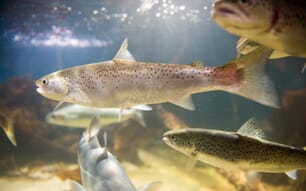
Every year, large amounts of hatchery-raised young salmonids are released into Swedish rivers and streams to compensate for losses in natural production. However these fish rarely survive. The University of Gothenburg has discovered why: the young fish are too…
This guide from the FAO Cultured Aquatic Species Information Programme provides information on farming grass carp (Ctenopharyngodon idellus Valenciennes).
Intensified aquaculture can lead to the emergence of disease in virtually all fish and shellfish species, according to Vaughn E. Ostland, PhD, Intrinsic LifeSciences, La Jolla, California, USA.
This guide from the FAO Cultured Aquatic Species Information Programme provides information on farming milkfish - from sourcing fry to marketing milkfish globally.
Dr Gina Conroy, an aquaculture adviser and consultant to a number of large organisations, looks at the prevalence of streptococcus species in Latin America and their pathological manifestations.
To improve our understanding of streptococcal disease in tilapia, Intervet/Schering-Plough Animal Health, Brian Sheehan performed extensive epidemiological studies in the major tilapia-producing countries of Asia and Latin America.
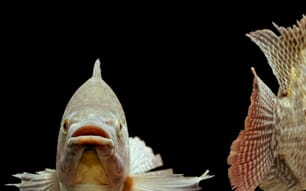
With increasing global consumption of fish and increased demand in the developing world, Neil Wendover, Technical Services Manager for Intervet/ Schering-Plough Animal Health, looks at tilapia health management.