© Dr Krishnan
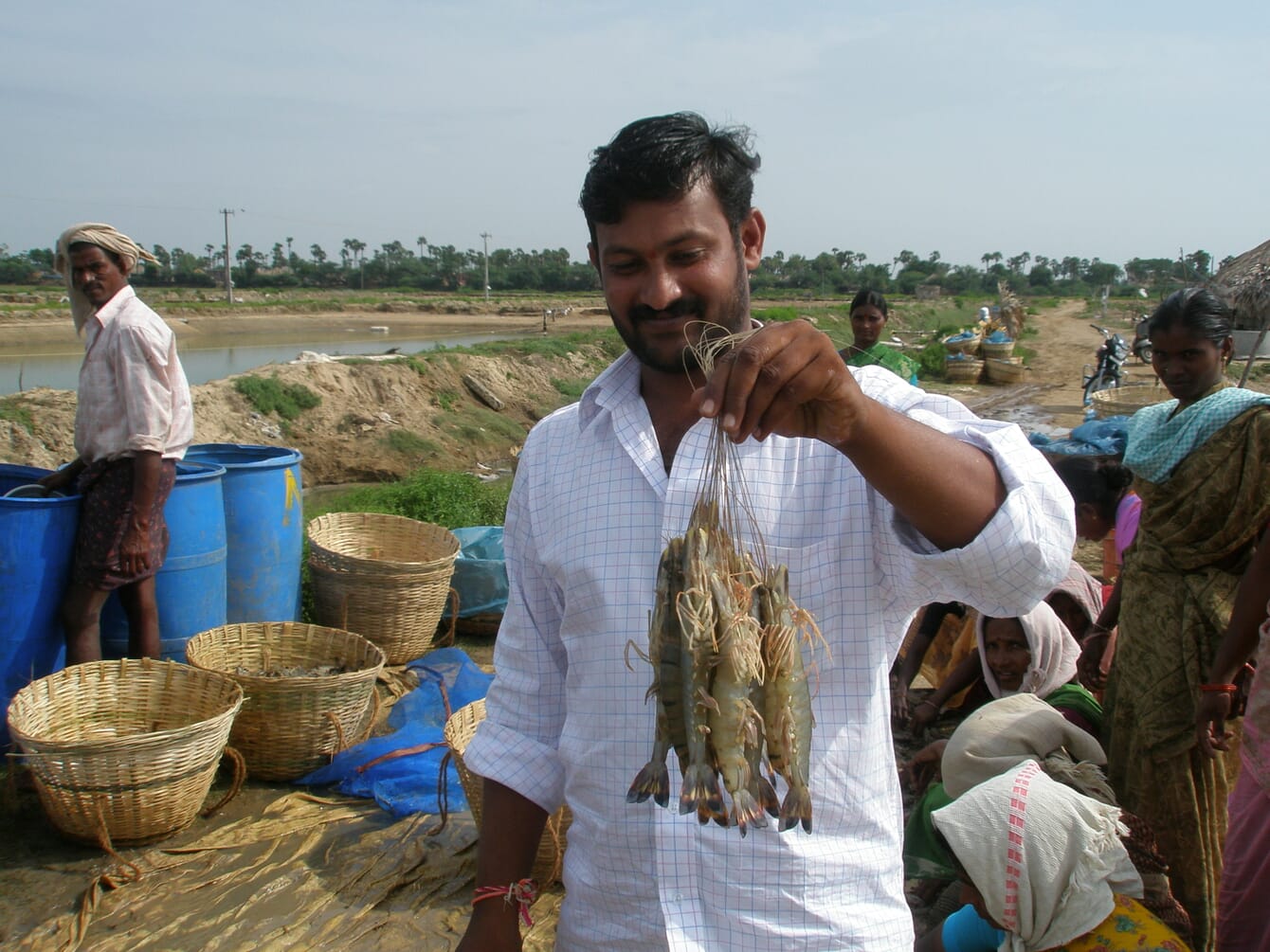
In India, more than 90 percent of shrimp farmers operate on less than two hectares. Their margins have been squeezed by escalating input costs and plunging farm gate prices. Feed accounts for as much as 50-60 percent of total production costs, leaving small farmers particularly exposed to price fluctuations.
Pressure on shrimp feed costs
From the perspective of the shrimp feed manufacturers, raw materials account for as much as 75 percent of total production costs. The major protein sources in shrimp feed are fish meal, which is highly dependent on imports, and soybean meal, which has historically been produced domestically but is also now under supply pressure. Since imports of genetically modified (GM) soybeans are prohibited in India, feed manufacturers procure domestically produced non-GM soybean meal (SBM), which can cost twice as much as it does on international markets.
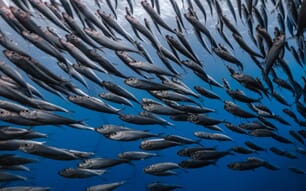
Marine fish meal production depends on highly variable catch volumes and is also subject to increasing environmental regulations on pelagic fishing. These factors drive up unit costs. According to a 2024 report by Mordor Intelligence, nearly 60-65 percent of premium, high-quality fish meal used by Indian shrimp feed producers is imported from Chile and Peru. To support shrimp farmers and make the industry more competitive, the Indian government reduced the import duty on fish meal from 15 percent to 5 percent in the Union Budget 2023-24.
Soybean meal is another large contributor, with close to 35 percent of India’s total aquaculture feed volume being dominated by the plant protein. Indian soybean production has declined by around 17 percent, to between 11 million and 12.7 million tonnes. This has created an acute domestic shortage and driven a 40 percent spike in soybean meal prices. The deficit has prompted industry bodies, including the Compound Livestock Feed Manufacturer’s Association of India (CLFMA), to seek emergency imports of 1.5 million tonnes of GM soybean meal.
Compounding these pressures, higher fuel and domestic transport costs have increased the expense of moving raw materials to manufacturing hubs and finished feed to farms.
Farmers’ protests and immediate policy relief
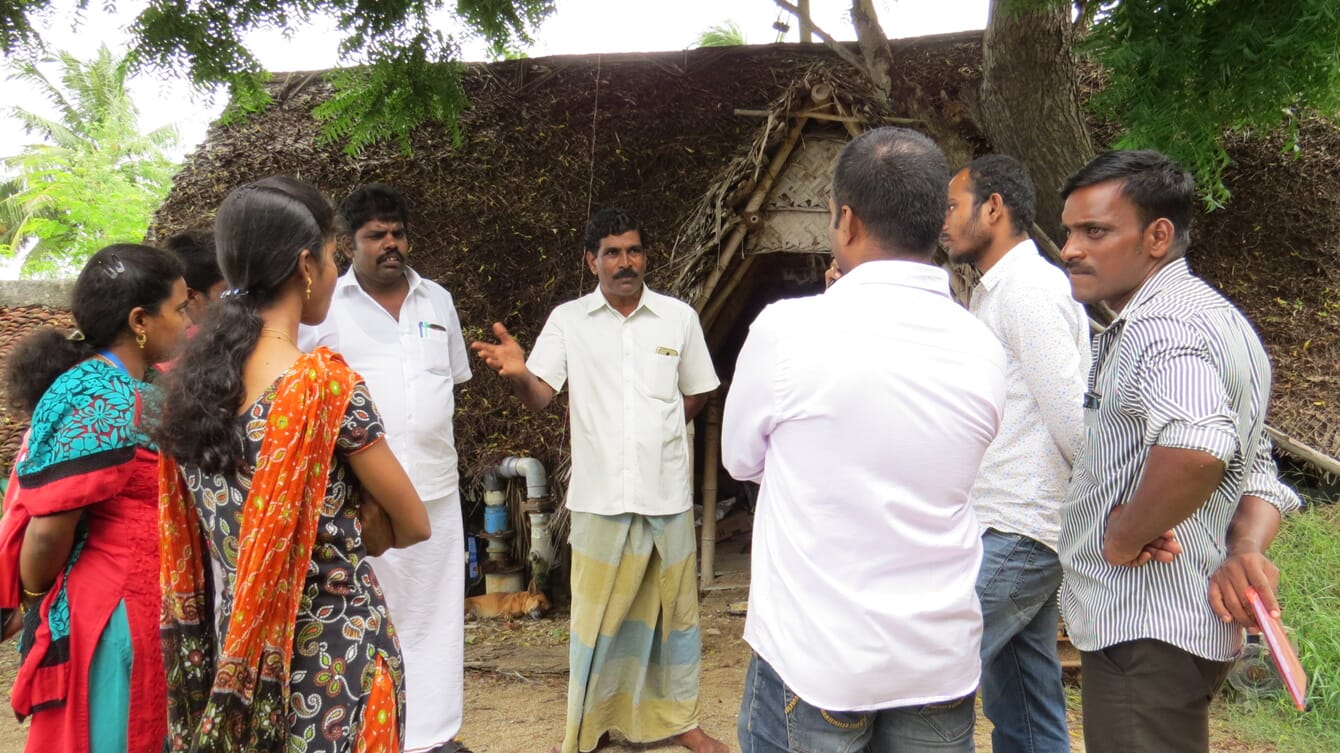
Rising costs have fuelled widespread farmer frustration. Feed prices rose by ₹12,000 to ₹14,000 ($145-$170) a tonne between February and June 2026, according to reports in The Times of India and Aquafeed.com. The Times also reports that the Andhra Pradesh Prawn Federation, the Vasishta Godavari Aqua Farmers Association and other regional bodies have alleged cartelisation among feed manufacturers and corporate processing plants. They claim that companies maintain high feed margins while simultaneously depressing farm gate prices, exploiting the highly perishable nature of harvested shrimp and forcing farmers to accept suboptimal returns. These concerns have prompted calls for a harvest boycott and a localised “aqua crop holiday”.
© Dr Krishnan
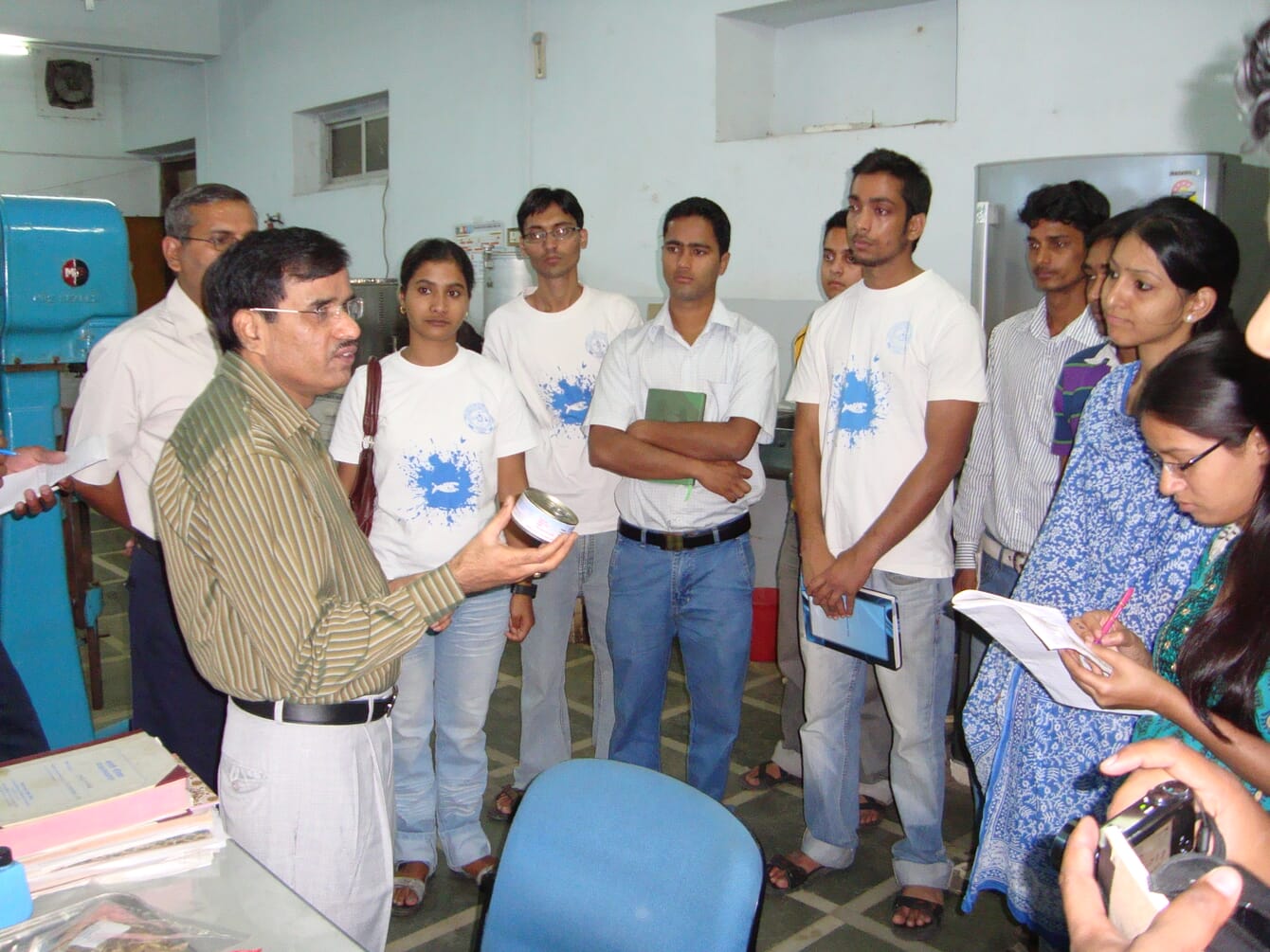
At a high-level meeting chaired by the chief minister of Andhra Pradesh, Mr Chandrababu Naidu, the maximum retail price of aquafeed was reduced by₹4/kg ($0.05/kg), bringing prices down to roughly ₹108/kg ($1.30/kg). In order to track raw materials costs and establish transparent feed margins, the Government of Andhra Pradesh has set up a 15 member Andhra Pradesh Shrimp Feed Ingredients Price Monitoring Committee (APSFIPMC) under G.O.Rt No. 180 in June 2026. This committee with three designated farmer representatives, has been constituted under the aegis of the State Institute of Fisheries Technology (SIFT), Kakinada, Andhra Pradesh. The Times of India reports that this arrangement now allows local farmers to place their pricing grievances directly to this panel through their respective regional District Fisheries Offices.
This roll back of ₹4/kg ($0.05/kg) is seen as a minor concession by the farmers, who have paused stocking new seed and are delaying harvests altogether. By disrupting the processing supply chain and boycotting leading feed brands, the farmers’ associations are attempting to pressure feed manufacturers into linking feed costs to real time international shrimp export prices.
Short- and medium-term strategic solutions
Short-term strategic interventions could include a temporary waiver on imports of GM soybean meal. A time-limited and regulated waiver allowing the import of 1.5 million tonnes could be considered, with supplies channelled through state agencies exclusively for aquaculture and poultry feed manufacturing.
Logistics costs could also be reduced by transporting soybean from growing hubs like Madhya Pradesh to coastal feed mills by creating subsidised aquafeed express rail corridors. The APSFIPMC constituted by the Government of Andhra Pradesh needs to link feed costs to domestic raw material prices and international shrimp export values in order to enable farmers and manufacturers share market risks and rewards more equitably. The Times supports this argument as this will ensure a dynamic, transparent pricing index that has moved away from reactive price caps.
In the medium term, the government must incentivise the feed industry to adopt black soldier fly (BSF) larvae as a direct, locally produced alternative for fishmeal. Efforts must also be scaled up by the feed industry to use single cell proteins by partnering with biotechnology companies to produce bacterial or algal proteins utilising agricultural waste, reducing dependence on imports from Chile and Peru.
The productivity of non-GM soybeans in India is low. High yielding, pest resistant non-GM varieties should be introduced as soon as possible to boost domestic production and address the current supply deficits.
© M Krishnan
Long term structural reform
In the longer term, the bargaining power of shrimp farmers must be fundamentally strengthened. Farmers operating on less than two hectares have little leverage when negotiating with large companies or concentrated processing businesses. Large farmer producers’ organisations could enable small shrimp farmers to purchase feed collectively at wholesale prices.
Community owned pre-processing and blast freezing centres funded by the Marine Products Export Development Authority (MPEDA) will enable farmers to store their harvests for two or three weeks, reducing the ability of processing plants to artificially depress farm gate prices.
Another option would be tripartite contract farming agreements between farmers, feed manufacturers and exporters reached before ponds are stocked. These agreements could lock in feed costs and farm gate prices, guaranteeing a more predictable margin for smallholders.
In conclusion, short term relief must transition to fundamental re-engineering, strengthening smallholders’ bargaining position, diversifying sources of protein for feed manufacturing and ensuring fair market margins throughout the supply chain.