© NAPCO Aqua
Can you tell us about your career and what inspired you to work in the aquaculture sector?
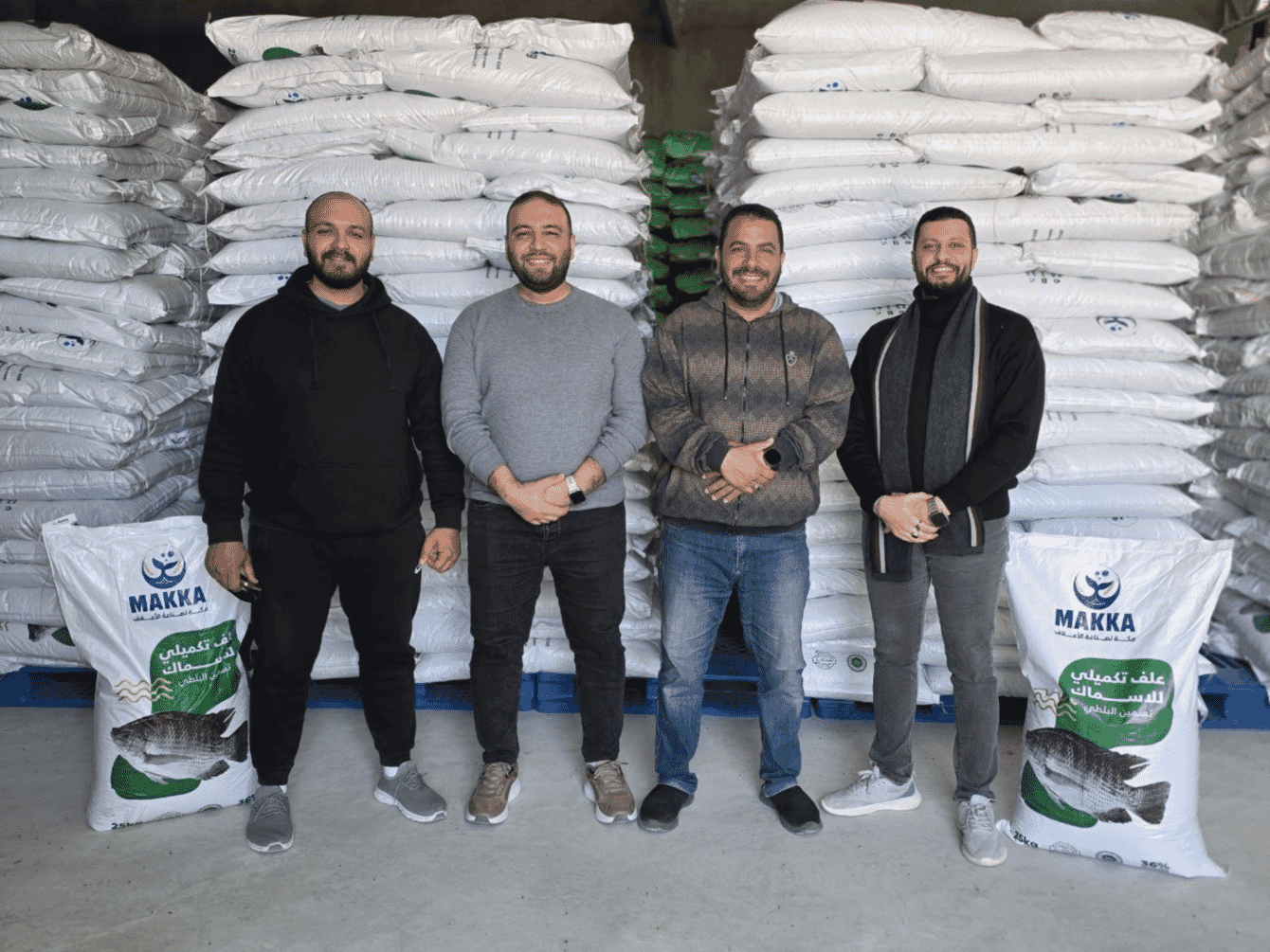
My professional journey began with involvement in the aquaculture sector, part of a family legacy that spans over 30 years in Egypt. During this time, we have been engaged in the establishment and management of fish farms, building extensive experience in both freshwater and marine aquaculture. This experience also extends to aquafeed production through the ownership and management of Makka Feed Manufacturing for fish feed production in Egypt, as well as providing technical support services to fish farms.
Building on this expertise, National Aquaculture Production Company (NAPCO Aqua) was established in the Kingdom of Saudi Arabia in 2022. The company focuses on developing aquaculture projects that reduce operating costs and increase productivity, aligning with the requirements of the Saudi market.
What are the company’s main services, and how do they support Saudi Arabia’s Vision 2030?
The company offers comprehensive services covering all stages of aquaculture projects, from conducting feasibility studies to designing farms and hatcheries and executing projects with ongoing technical supervision and operational support. Services also include water quality monitoring, technical assistance, specialised training and supply chain management. By improving production efficiency and supporting investors and farmers, we contribute to increasing local fish production, thereby enhancing food security and aligning with Saudi Arabia’s Vision 2030 goals for developing the aquaculture sector.
What have been the company’s milestones so far?
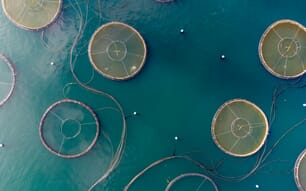
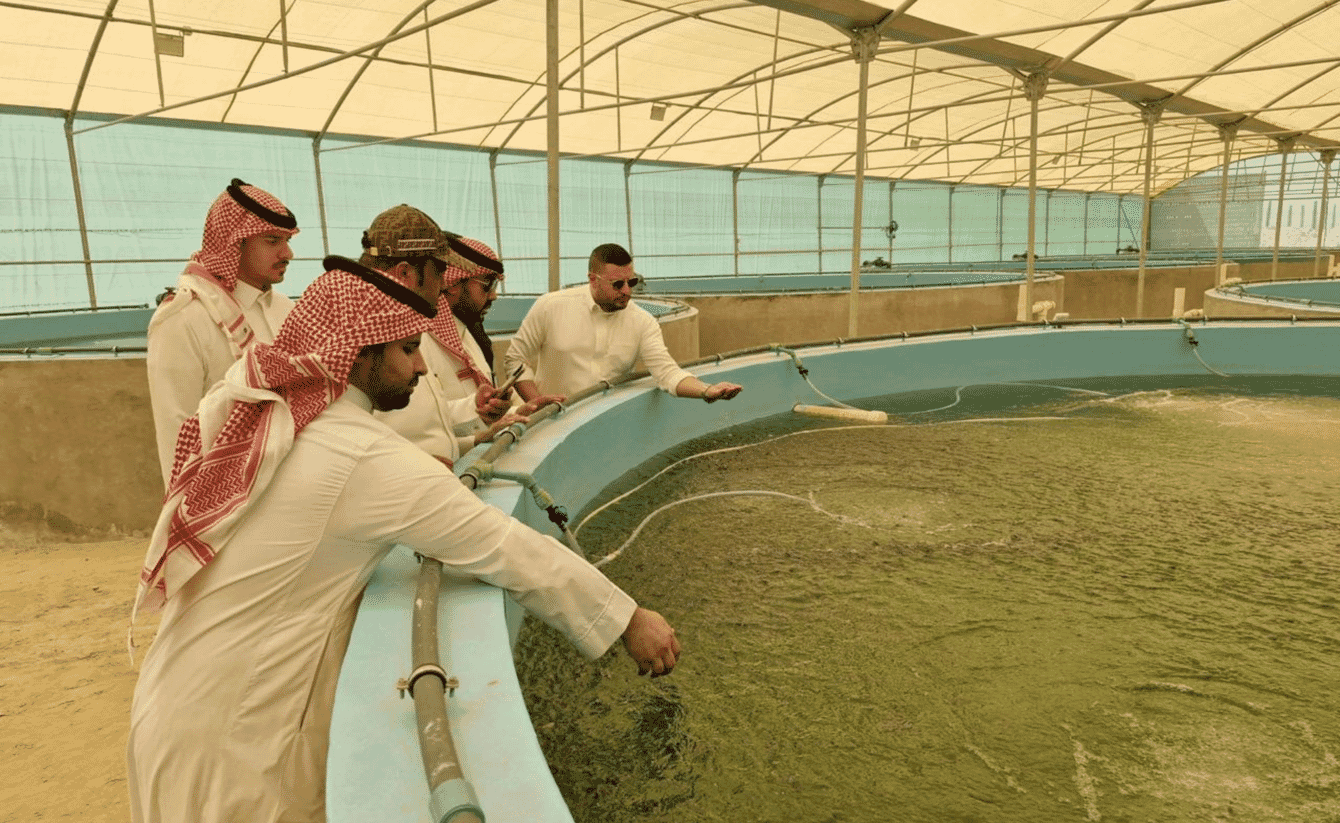
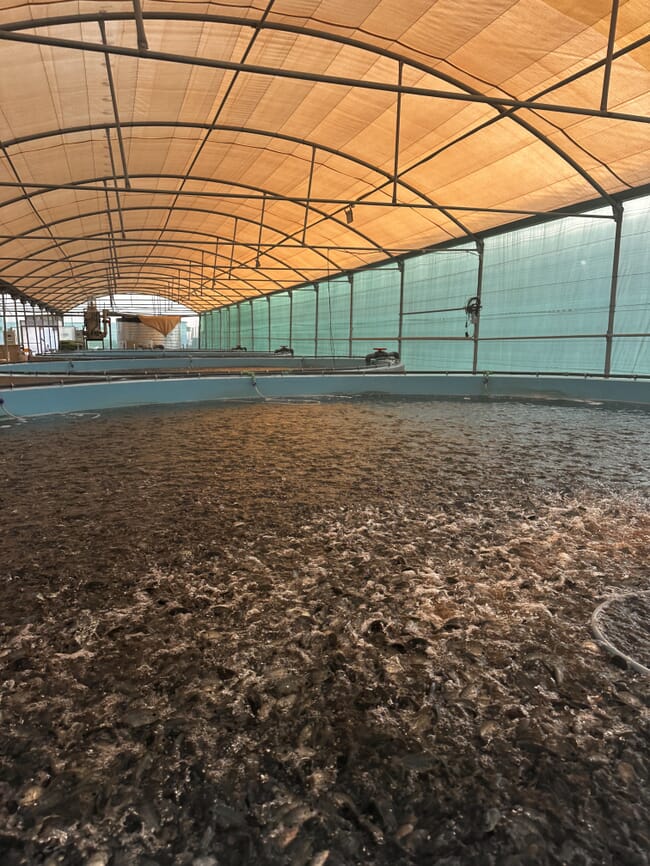
In addition to supervising numerous aquaculture projects across the Eastern Province of Saudi Arabia, the company operates its own private farm targeting an annual production of 2,000 tonnes of Nile tilapia (Oreochromis niloticus) to support Vision 2030. In 2025, the farm’s first production phase was launched, yielding 200 tonnes. The facility is structured into three integrated production systems:
- Recirculating Aquaculture System (RAS): 10 tanks dedicated to the nursery stage
- Biofloc System: 40 tanks for rearing and grow-out stages
- Hatchery: currently under construction, designed to produce up to 5 million Nile tilapia fingerlings
© NAPCO Aqua
How does the company ensure quality and sustainability?
We rely on a skilled and professional team, with all operations under strict supervision to prevent inconsistency and ensure data accuracy. We also implement ISO 9001 standards to ensure reports and outputs meet the highest standards, with careful oversight of all management and operational processes, which helps optimise productivity and maintain the long-term sustainability of our aquaculture projects.
What role do technology and research play in improving your services?
We are developing an integrated digital farm management system that enables full monitoring of all farm inputs, including pond numbers, stocking densities and feed usage. The system also supports workforce management, tracks routine maintenance schedules, assesses equipment condition, and provides comprehensive farm monitoring to improve efficiency and maximise returns. Ultimately, it facilitates end-to-end farm management through a single application, while also organising the entire supply chain for all required components, including feed, within one unified platform.
Are there any collaborations or partnerships with universities or research centres?
We place strong emphasis on capacity building by providing dedicated training facilities and programs for engineers, technicians and farm workers. In parallel, we are establishing collaboration channels with universities and research centres to support innovation and enhance overall performance.
What are the main challenges facing the aquaculture sector?
Although water scarcity is one of the main challenges in aquaculture, modern systems such as RAS and biofloc provide effective solutions. The greater challenge, however, lies in the lack of technical and operational expertise, combined with the unstructured approach of some farms and the absence of organised procedures in construction and management, which negatively affect efficiency and sustainability.
© NAPCO Aqua
What are your plans for expansion and development?
Alongside the hatchery, which we are currently completing, we plan to establish a central laboratory to support farm health and productivity, offering services such as disease detection and water quality monitoring. This will help farms tackle technical and environmental challenges more effectively. In addition, we aim to expand into marine aquaculture and introduce new fish species. Our goal is to be the most reliable and trusted partner in advancing aquaculture projects.
What advice would you give to people interested in entering the aquaculture sector?
It is not an easy field, so starting or sustaining a project without thorough technical and economic feasibility studies is risky. Due to high establishment costs and the challenges of aquaculture, it is essential to have both technical and operational expertise to ensure the project’s success. Therefore, it is recommended to work with specialised consultancy firms until the project reaches actual production.