© Clément Crouzet, BioMar
As the company grows into new markets, the need for targeted scientific research on key species such as yellowtail kingfish and barramundi is increasing, strengthening BioMar’s ability to deliver species-specific nutritional solutions worldwide. Expanding into new regions requires a deeper understanding of species-specific requirements, feeding strategies, and performance under different farming conditions. BioMar’s innovation network, combining scientists, technology centres, and commercial validation, is designed to address these challenges and support customers worldwide.
ATC Hirtshals stands as the largest research facility within BioMar and is among the most advanced in Europe. The site features 15 experimental units, 27 recirculating aquaculture systems (RAS) – and more than 350 tanks for large-scale testing.
The centre has a strong track record working with major species such as salmon, trout, seabass and seabream throughout the different stages of their life cycle, including the hatchery stage at the Larviva Hatchery Hub. BioMar holds a leading position in high-value marine species, with more than 30 years supplying seabass and seabream producers and around 20 years of dedicated nutritional trials at Hirtshals covering the full production cycle.
Over the years, this work has spanned nutritional requirements, raw material documentation, environmental challenges and feeding optimisation, building the deep, long-standing expertise in Mediterranean marine species that provides a solid foundation for developing and validating feed solutions across BioMar's global markets.
While initially focused on cold-water species, ATC Hirtshals has increasingly expanded its work with warm-water species. In recent years, successful trials have been conducted with yellowtail kingfish, a species of growing global importance and of relevance for our business in Europe and Australia.
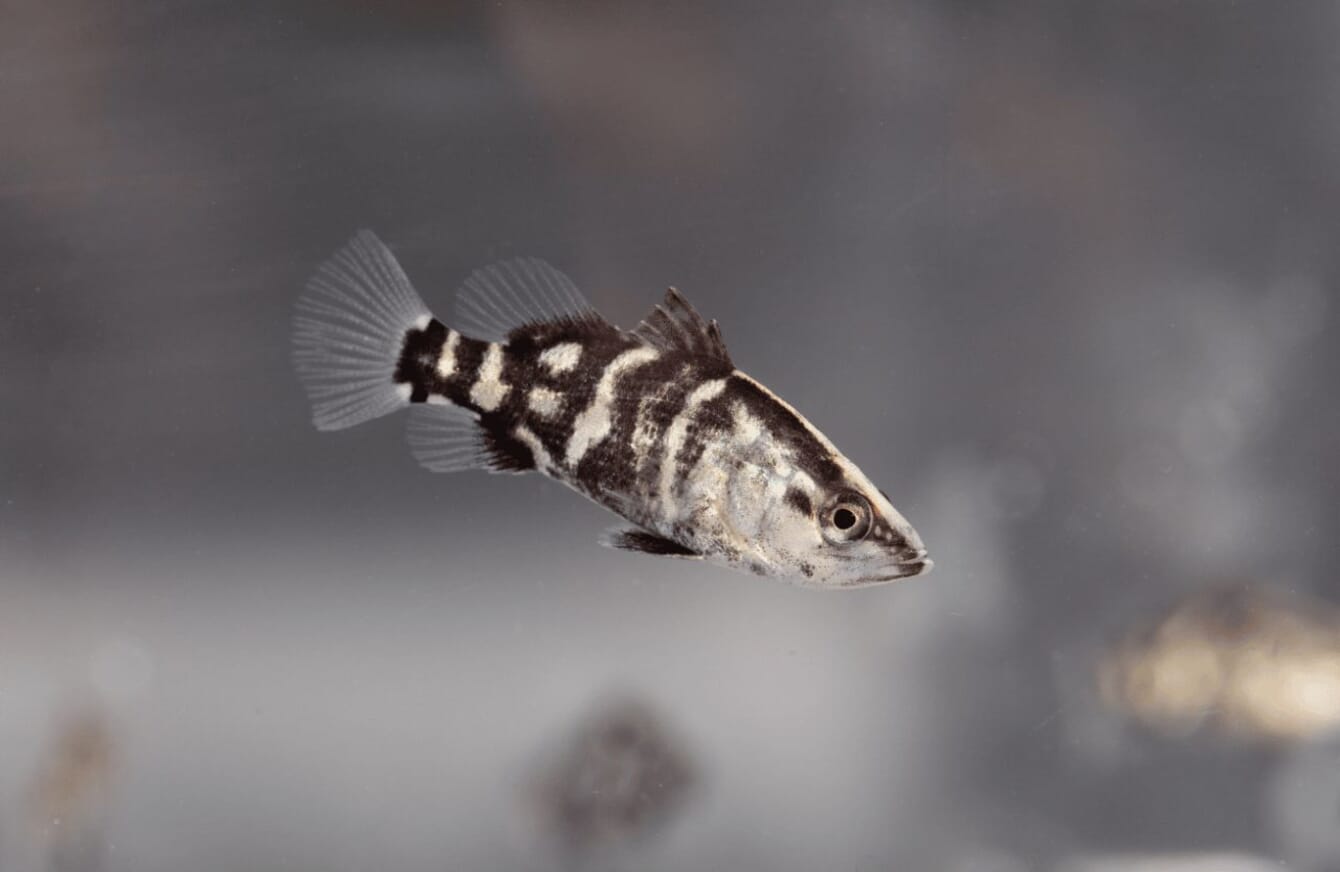
Building on this experience, BioMar is now expanding its research portfolio to include several new key species, where the first step is barramundi. This species represents a key opportunity in several targeted markets, particularly in Australia and southeast Asia, and will be the focus of upcoming innovation at our Hirtshals facility.
“Expanding into new species is a natural step as aquaculture continues to evolve,” sais Simon Wadsworth, global R&D director at BioMar, in a press release. “Our role is to generate the scientific knowledge needed to support farmers with reliable, well-documented nutritional solutions adapted to each species and production environment.”
The planned projects will focus on developing feeding strategies, improving biological performance, and strengthening predictive performance models for barramundi. This work will contribute to building operational knowledge that can be transferred across regions and production systems.
“For BioMar Australia, barramundi and yellowtail kingfish are two of the most promising species in Australian aquaculture,” said David Whyte, managing director of BioMar Australia. “They are central to the growth of the country’s warm-temperate and tropical sector and we need to support the fishes nutritional requirements under Australia’s range of production systems and environments. Our commitment to the success of Aquaculture in our region is underpinned by the exciting work planned at Hirshals”.