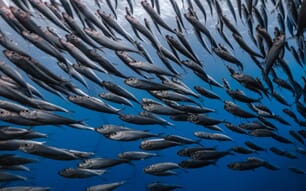
© ACU
The AI system allows for real-time monitoring of fish stocks, maintaining high reliability even in murky water or changing light conditions. The researchers tested two leading detection models – YOLO11 and YOLOv8 – on 6,500 real aquaculture images and achieved extremely high accuracy, with both models reaching above 0.99 mean average precision.
By exporting the chosen model to the ONNX format, the team made the system run 25 percent faster while keeping accuracy almost identical, enabling deployment on the low‑cost edge devices used on farms. Field trials in real tanks showed that the system can reliably count fish and generate early alerts, giving farmers a practical tool for monitoring stock health and feeding behaviour.
Professor Shafiabady explained how the technology can directly improve farming practices.
"Aquaculture is expanding rapidly, and farmers need affordable, automated monitoring tools to reduce labour, improve welfare, and prevent losses," she said in a press release. "This system is designed for real‑world use, not just lab performance."
Professor Shafiabady said giving fish farmers an affordable, automated system that can count fish accurately in real time would help prevent stock losses, reduce waste in feeding, and support healthier, more sustainable aquaculture.
"For communities that rely on farmed fish as a primary source of protein, this means more reliable harvests and lower production costs," Professor Shafiabady said. "For farmers, it reduces labour demands and stress by replacing manual counting with a system that works continuously. At scale, tools like this help stabilise food supply chains, protect livelihoods, and make high‑quality protein more accessible during a time of rising global demand."