

© Marine Cusa, DTU
A new study published in Fish and Fisheries suggests that DNA metabarcoding could help improve transparency in aquafeed supply chains, after researchers identified a far wider range of fish species in commercial feed than product labels revealed. The research was led by Liverpool John Moores University and by the Technical University of Denmark (DTU).
The team analysed 30 fish feed samples obtained across the UK and used in the farming of cyprinids, trout and salmon, including both grower and hatchery feeds. While feed labels typically listed only broad ingredients such as “fish meal” and “fish oil”, the genetic analysis detected 33 fish species in total. Of these, 17 were considered likely to have come from whole fish, while 16 most likely originated from fish by-products and trimmings.
“Our research shows that DNA-based methods can act as robust transparency and verification tools in this sector and could be used to bridge gaps within traceability systems,” said Dr Marine Cusa, PEW Marine Fellow and researcher at DTU, to The Fish Site. “We identified 33 different fish species, and perhaps unexpectedly, the results also show a largely local supply chain, with the majority of fish species present in the feed being caught in the Northeast Atlantic.”
The most prominent species detected across the samples were blue whiting, Atlantic herring, capelin and Atlantic mackerel, pointing to a strong reliance on regional supply chains for much of the feed examined. The study also found that feed composition varied by target species, life stage and company, reflecting the sector’s dependence on a diverse mix of raw materials.
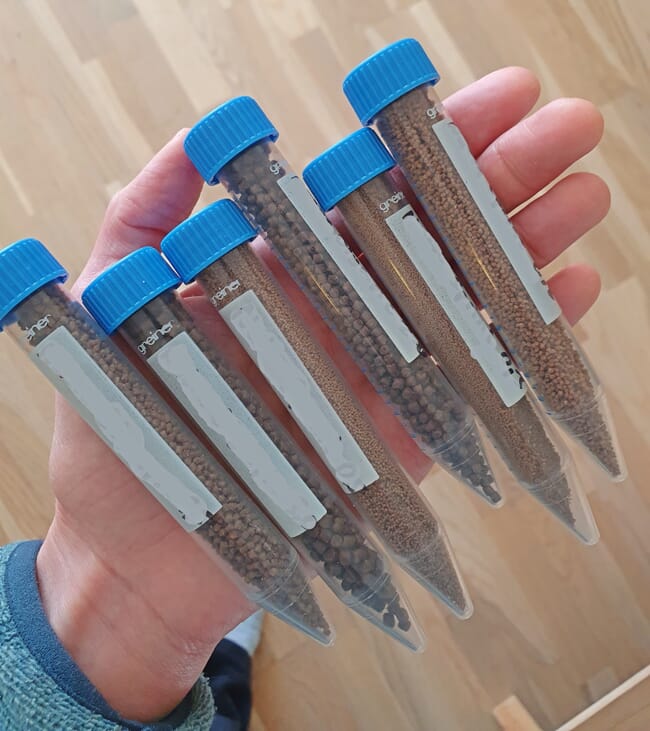
© Marine Cusa, DTU
Alongside marine pelagic ingredients – which were more prominent in salmon grower, nursery and hatchery feeds – the researchers also detected a range of terrestrial ingredients in carp, trout grower and reproduction feed, including poultry, swine and beef by-products. Black soldier fly appeared in four samples from one company, supporting the growing importance of alternative sources for raw ingredients.
“Based on our results, we argue that improved transparency could benefit rather than harm the sector. Integrity and ethical concerns are one of the most important drivers of consumer trust, and when confronted with concerning allegations on sourcing, a lack of transparency on product content undermines the sector's ability to respond adequately,” added Dr Cusa.
The authors conclude that clearer disclosure on the species and origin of feed ingredients, ideally on packaging as well as in sustainability reporting, will be essential if the aquaculture industry is to strengthen trust and support informed debate around feed sourcing.


