© CAEIH
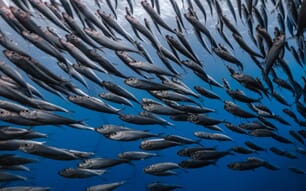
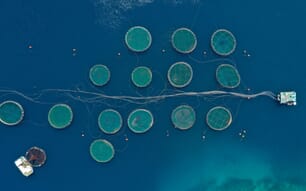
As Caribbean nations seek innovative solutions to strengthen food security, create sustainable livelihoods, and support blue economy development, aquaculture is emerging as one of the region's most promising industries. Despite its potential, access to regionally focused aquaculture education remains limited. The new series addresses this gap by providing practical, regionally relevant training delivered by experienced aquaculture professionals.
"This Summer Course Series represents an important milestone for aquaculture education in the Caribbean," said Dr Juli-Anne Royes Russo, founder of the CAEIH, in a press release. "Our goal is to build regional capacity by providing accessible, high-quality training that reflects the unique environmental, economic, and cultural realities of Caribbean islands. We hope to inspire the next generation of aquaculture leaders, entrepreneurs, researchers and educators."
The online series features three specialised courses:
- Introduction to Caribbean Aquaculture (4 July – 1 August): Participants will explore the foundations of aquaculture in the Caribbean, including the culture of key commercial species such as tilapia, shrimp, oysters, seaweeds and other species with economic potential throughout the region. The course will also examine regional production systems, market opportunities, sustainability considerations and emerging innovations.
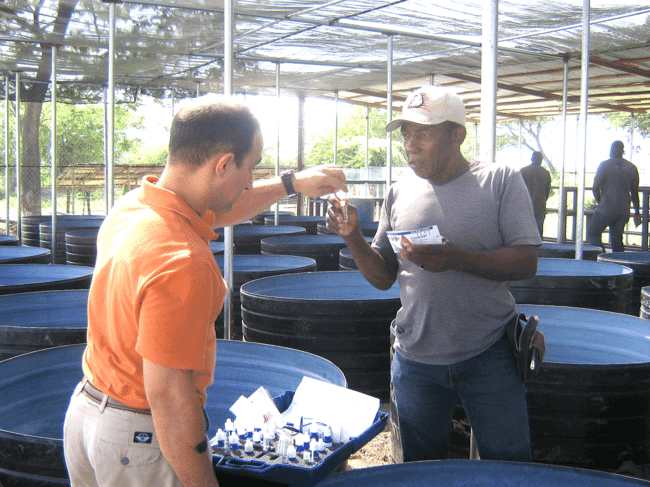
- Water Quality Management (8 August and 15 August): Water quality is the foundation of successful aquaculture operations. This course provides participants with a practical understanding of water quality parameters, monitoring techniques and management practices essential for maintaining healthy aquatic environments.
- Aquaponics (15, 22 and 29 August): Participants will learn the principles of aquaponics, an integrated food production system that combines aquaculture and hydroponics. The course will cover system design, fish and plant selection, nutrient cycling and opportunities for small-scale and commercial production.
All classes will be conducted online and will include expert instruction, interactive discussions and live question-and-answer sessions. Participants who attend at least 80 percent of course sessions will receive a certificate of participation.
The CAEIH was established to advance aquaculture education, innovation, workforce development and networking throughout the Caribbean region. Through training programmes, research collaboration, and professional development opportunities, the organisation seeks to strengthen the sustainable growth of aquaculture and the blue economy.
To learn more and register, visit the CAEIH website.