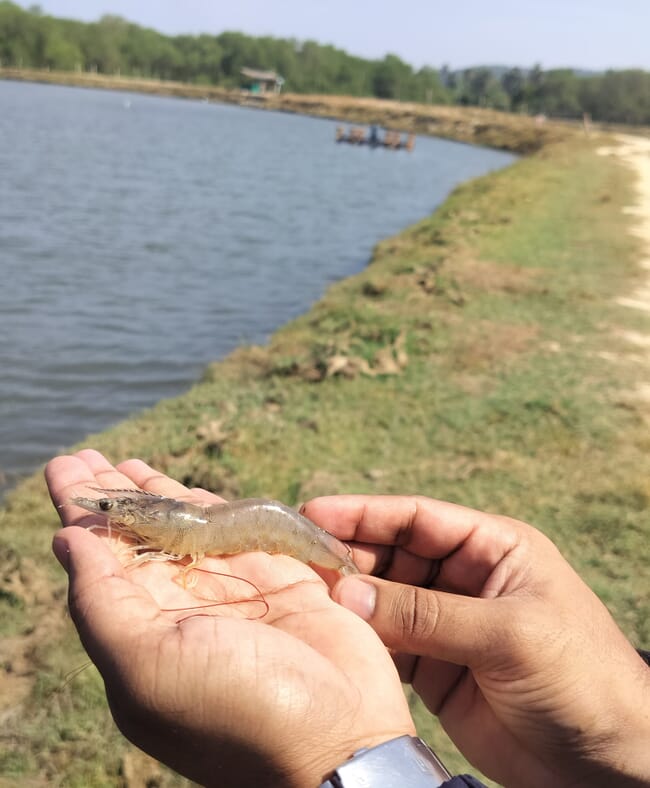
© Dr Pratapa
As aquaculture intensifies to meet rising demand for fish protein, producers are facing growing challenges linked to disease outbreaks, environmental stress, poor water quality and antimicrobial resistance. These issues threaten productivity, profitability and the long-term sustainability of fish farming operations worldwide.
A recent review authored by Dr Pratapa M G and colleagues from ICAR - Mahatma Gandhi Integrated Farming Research Institute in Bihar, India, explores how nutraceuticals can help address these challenges by supporting fish health through natural and sustainable approaches. The review examines a range of bioactive compounds that can be incorporated into aquafeeds to improve growth, immunity and disease resistance while reducing dependence on antibiotics and synthetic chemicals.
Nutraceuticals are food-derived or naturally sourced compounds that provide health benefits beyond basic nutrition. In aquaculture, these include probiotics, prebiotics, amino acids, fatty acids, vitamins, seaweed extracts, herbal products and emerging nano-nutraceuticals. Interest in these functional feed ingredients has grown rapidly in recent years as the industry seeks environmentally friendly alternatives for fish health management.
Nutraceuticals support growth, immunity and disease resistance
According to the authors, these ingredients can help improve growth performance, feed utilisation, gut microbial balance, immune response and disease resistance in farmed fish and shellfish. They may also contribute to better water quality and reduced environmental impacts, making them attractive alternatives or complements to conventional disease-management approaches.
Probiotics and prebiotics are among the most widely used nutraceuticals in aquaculture. Probiotics consist of beneficial microorganisms that help maintain a balanced gut microbiota, improve digestion and suppress the growth of harmful bacteria. Prebiotics, on the other hand, act as substrates that stimulate the growth and activity of beneficial microbes already present in the digestive tract. Together, they help improve nutrient absorption, strengthen immune responses and enhance resistance against bacterial and viral infections.
The review also highlights the importance of essential amino acids, vitamins and fatty acids. Amino acids such as arginine and lysine play important roles in growth and immune function, while vitamins including vitamin C and vitamin E contribute to antioxidant defence and disease resistance. Omega-3 fatty acids, particularly EPA and DHA, are recognised for their positive effects on growth performance, stress tolerance, tissue development and overall physiological health.
Seaweed-derived nutraceuticals are gaining attention as sustainable feed additives due to their rich content of bioactive compounds, minerals, vitamins and polysaccharides. Extracts from brown, red and green seaweeds have been shown to stimulate immunity, improve antioxidant status and enhance disease resistance in several aquaculture species. Herbal products such as garlic and turmeric are also increasingly explored for their antimicrobial and immunostimulatory properties.
Emerging technologies and future prospects
The review points to growing interest in nano-nutraceuticals, an emerging field that combines nutrition and nanotechnology. Nano-sized formulations such as nano-selenium and chitosan nanoparticles may improve nutrient delivery, bioavailability and absorption efficiency. Early studies suggest that these technologies can enhance growth, antioxidant activity and disease resistance, although further validation under commercial farming conditions is still needed.
Despite their considerable promise, the authors caution that commercial adoption still faces obstacles. These include a lack of standardised dosage protocols, variations in effectiveness among species and farming systems, relatively high formulation costs and limited long-term field studies evaluating their practical application.
Nevertheless, increasing concerns over antimicrobial resistance and consumer demand for sustainably produced aquatic food is expected to drive further research and commercial adoption. Future studies should focus on developing species-specific formulations, improving cost-effectiveness and generating practical recommendations that can be readily adopted by farmers.
The review concludes that nutraceuticals are likely to become an increasingly important component of antibiotic-free and environmentally sustainable aquaculture systems. By enhancing fish health naturally and reducing the industry's reliance on conventional therapeutics, nutraceuticals offer a promising pathway towards more resilient, productive and sustainable aquaculture production in the years ahead.