© AZTI
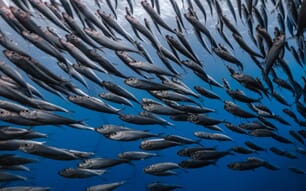
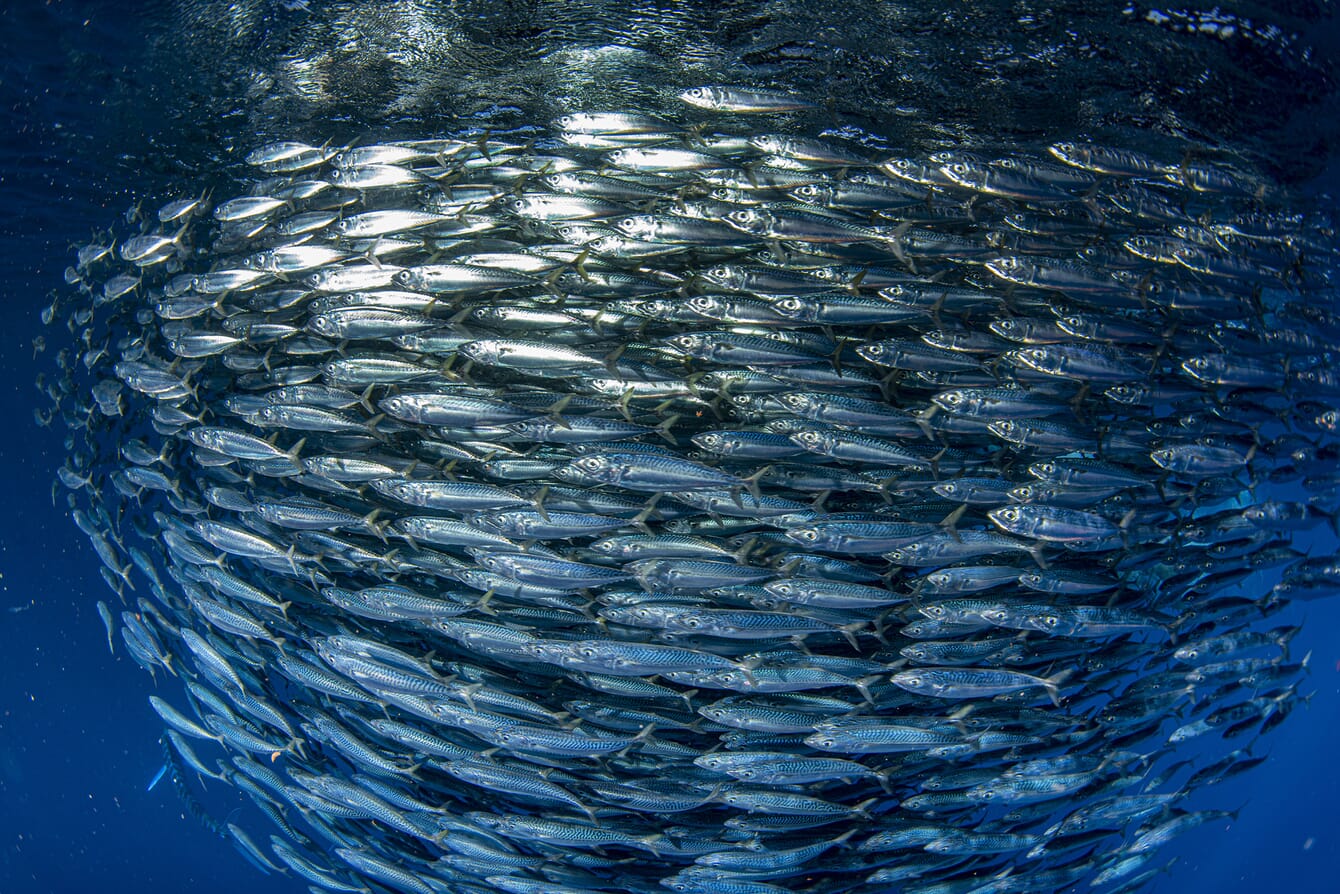
According to SPSG, the downgrade of mackerel overlooks a recent cut in the Total Allowable Catch (TAC) and a four-party agreement between the UK, Iceland, Norway and the Faroe Islands that the group says will reduce fishing pressure and support long-term stock sustainability. Mackerel is a pelagic species, and some mackerel and mackerel by-products are used in fishmeal and aquaculture feeds.
Ian Gatt, chair of SPSG, said the new rating presented a misleading picture of the fishery and ignored the work being carried out by fishers, governments and scientists to ensure a sustainable Northeast Atlantic mackerel fishery.
“Whilst progress in resolving the issue of quota shares among the coastal states participating in the fishery is not going as fast as we would like, the MCS rating for mackerel fails to reflect recent developments that has included a major cut in the Total Allowable Catch (TAC) and an agreement between the UK, Iceland, Norway and the Faroe Islands, which will deliver a significant reduction in fishing pressure,” Gatt said in a press release.
Mackerel is catagorised as ‘very overfished'
The SPSG said the enhanced management arrangement agreed by the four countries commits to setting TACs in line with International Council for the Exploration of the Sea (ICES) scientific advice under a Maximum Sustainable Yield based scenario. Gatt pointed out this arrangement is projected to increase spawning stock biomass by approximately 8.5 percent, which is only marginally different from the headline advice option from ICES of 11.4 percent.
“Worryingly, the MCS decision-making process shows a lack of rigour and attention to detail,” argued Gatt. “For example, MCS highlights a decline in the mackerel stock since 2015, but fails to recognise that this should be considered in the context of exceptionally strong recruitment between 2013 and 2015, which was over 2.5 times higher than the preceding decade, and the subsequent reduction in biomass most likely reflects a rebalancing normalisation. Additionally, the ICES working group assessments recognise that several strong year classes remain present within the stock, continuing to support the fishery.
“MCS characterises the mackerel stock as being in a ‘very overfished state’. However, ICES analysis indicates that maintaining current catch levels would result in an increase in spawning stock biomass by 2027. This demonstrates that the stock retains the capacity to rebuild under current fishing levels.
“Furthermore, MCS describes management enforcement as ‘poor’- however, this does not reflect the reality of fisheries management in the Northeast Atlantic where enforcement across the pelagic fleet is extremely robust and transparent and is now further enhanced with the introduction of mandatory remote electronic reporting for all vessels operating in Scottish waters where mackerel is caught.
SPSG said it believes the rating should have been placed under review until the next scientific assessment is available in September, while broader six-party coastal state negotiations continue.