© Norkrill, Flickr
The anticipated closure follows the August 2025 shutdown, when the fishery reached its 620,000-tonne trigger limit four months ahead of schedule for the first time in history. Conservation organisations warn that a repeated early shutdown underscores accelerating pressure on the fishery and highlights the critical need to reform current management protocols.
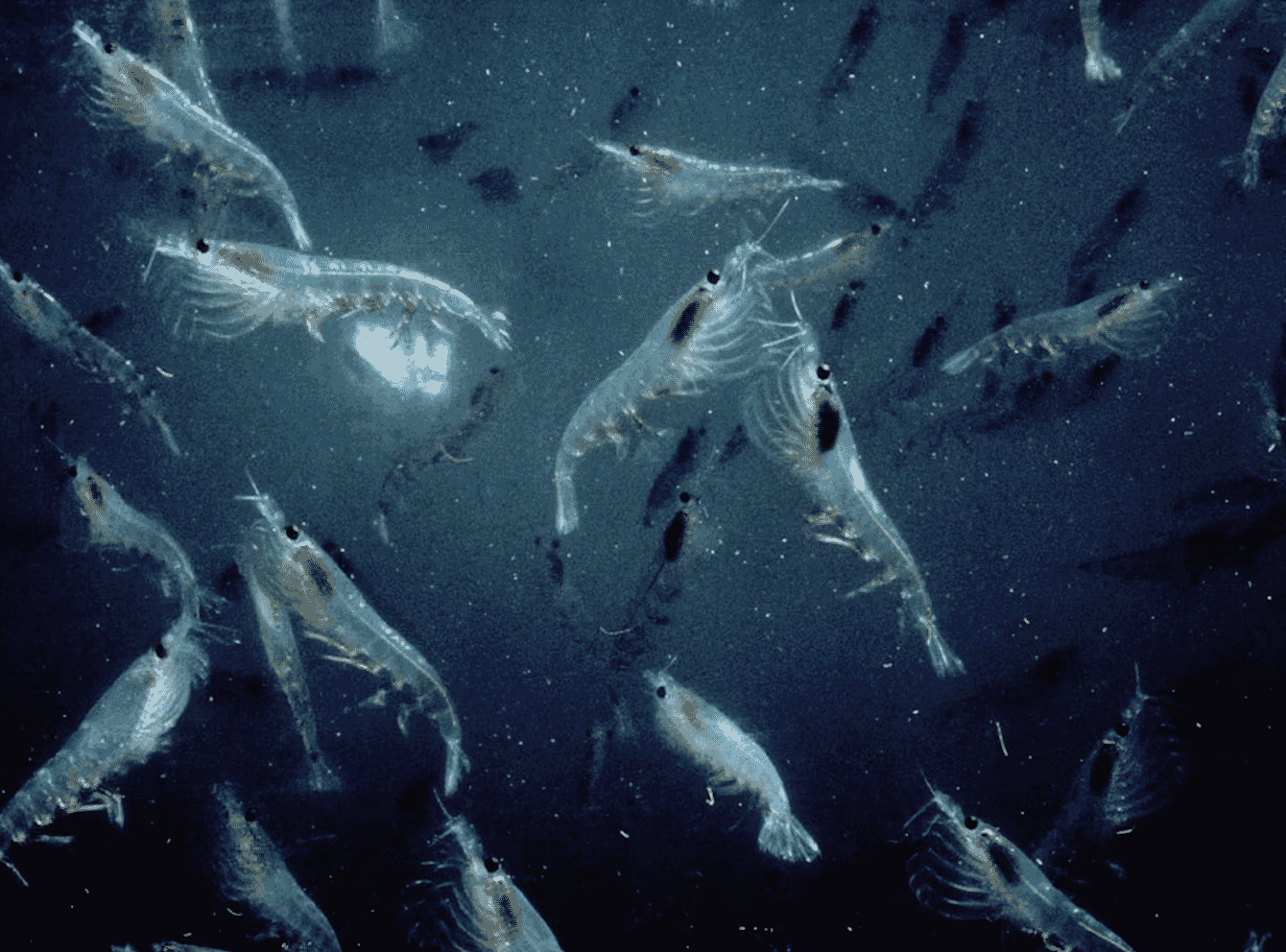
Krill form the foundation of the Southern Ocean ecosystem, supporting penguins, whales, seals and countless other Antarctic species while also supplying a growing global market for omega-3 nutritional supplements, aquaculture feed and pet food.
“Although total catches remain well below estimated overall krill biomass, scientists have repeatedly warned that the critical issue is not simply how much is caught, but where it is caught,” Antarctica 2030, a global advocacy campaign seeking expanded marine protection in the Southern Ocean by 2030, said in a press release. “Fishing has become increasingly concentrated around the Antarctic Peninsula – the same region where wildlife depends on dense krill aggregations during breeding and feeding seasons.”
Following the expiry of CCAMLR Conservation Measure 51-07 in late 2024, safeguards that distributed fishing effort across management zones lapsed. CCAMLR’s own Scientific Committee subsequently concluded that the resulting concentration of fishing was “not precautionary” and called for urgent reform. No replacement management system was agreed at the Commission’s 2025 annual meeting.
The anticipated closure also comes as formal objections lodged by the Antarctic and Southern Ocean Coalition (ASOC) and WWF to the Marine Stewardship Council’s announcement of recertification of the fishery remain under consideration, placing renewed scrutiny on claims that the fishery represents a global model of sustainable fishing. Presently, several of ASOC’s Objection Findings have been upheld by the independent investigator, ASI, and await a response from the certifying body.
When CCAMLR members convene in October 2026, conservationists argue they must reach consensus on key mandates:
- Restore precautionary spatial management of the krill fishery.
- Adopt a modern ecosystem-based management system that prevents concentrated fishing in wildlife hotspots.
- Establish the long-proposed Antarctic Peninsula (Domain 1) Marine Protected Area.
- Identify a clear, time-bound pathway for the adoption of a representative system of marine protected areas by 2030 to reach 30 percent protection of the Southern Ocean.
- Ensure conservation decisions remain firmly grounded in independent science and intergovernmental governance.