

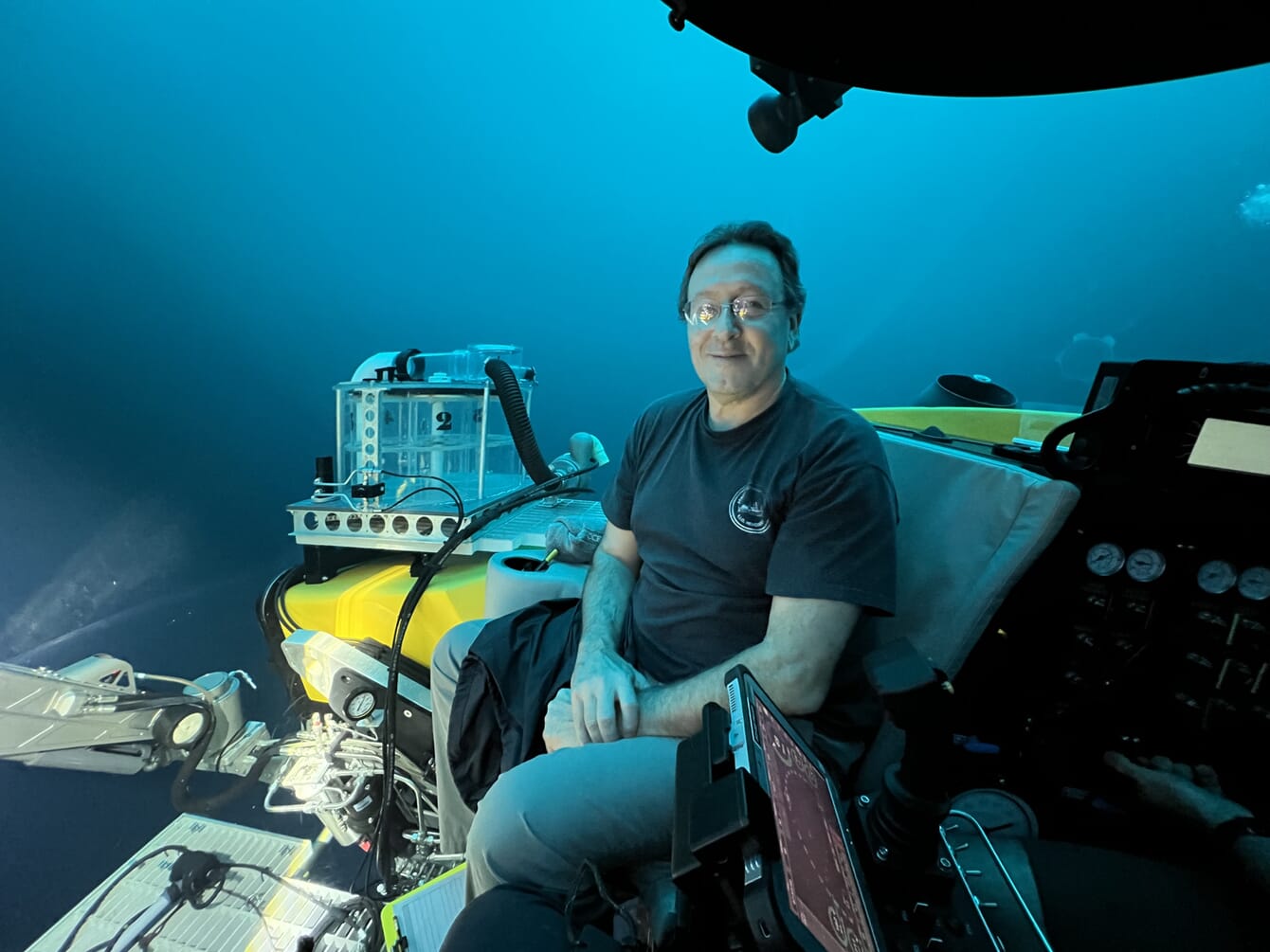
Duarte has around 40 years of research experience, focused on ocean biodiversity and ocean-based nature solutions that support climate action and the United Nations Sustainable Development Goals © Duarte
Last September, at Aquaculture Europe in Valencia, marine ecologist Carlos Duarte used his opening address to call for “regenerative aquaculture”, arguing the sector can deliver more than “less bad” seafood if it shifts towards low-trophic, circular farming models.
Duarte, who is a distinguished professor at King Abdullah University of Science and Technology and executive director of the Coral Research and Development Accelerator Platform, spoke to The Fish Site about what regenerative aquaculture means in practice and what needs to change in policy, research and markets as the industry looks to the year ahead.
If you had to pick one moment in 2025 that gave you hope for aquaculture, and one that worried you, what would they be?
The conference of the European Aquaculture Society in Valencia was a moment of hope, seeing first-hand the momentum of research and innovation, with many companies and startups displaying their products, showing that aquaculture is a dynamic sector propelled by a vibrant and dedicated R&D community.
A moment of worry came from realising that policy makers, in Europe and elsewhere, do not realise the importance of supporting aquaculture for the future of food producing systems and, more broadly, for the future of humankind, and continue to create challenges for the growth of aquaculture, such as administrative difficulties for the allocation of ocean space.
You said aquaculture must move from “less bad” to truly regenerative. In practice, what does a truly regenerative farm look like?
It is a practice of aquaculture that deviates from the models of intensive livestock husbandry on land that inspired cage fish aquaculture (e.g. intensive poultry, pork and cattle farms) and have done so much damage to the environment, with externalities that have drained public funds to reverse eutrophication and pollution of aquifers, rivers and coastal waters. Regenerative aquaculture aims at creating balanced food webs that generate their own food and abandon the concept of waste, as all materials are efficiently recycled within the farm.
Creating this regenerative practice requires a shift in focus from carnivorous fish to seaweed and animals low in the food web, including filter feeders, detritivores and herbivores. These polycultures or integrated aquaculture concepts are rooted in ancient Chinese models of pond management, a precursor of “circular economies”. Seaweed can also be used to formulate, directly, or as a base for invertebrate cultures, feed for fish aquaculture, to abandon reduction fisheries, which are among the most harmful, and unethical, components of industrial aquaculture. Regenerative aquaculture is also most resistant and resilient to climate change, and the positive benefits to the environment and human health should be delivered, as subsidies or tax reductions, to the farmers.
Regenerative aquaculture is not just important as a service to society, but is also a smart model, as it is far more resistant and resilient to environmental, climatic and biological risks. I have seen huge investments in aquaculture in the Philippines collapse because the waste generated exceeded ecosystem thresholds, leading to hypoxia and harmful algal blooms that decimated the industry and led to ecosystem collapse, driving thousands of people to poverty and despair.
Where have you seen the most convincing real-world examples of regenerative aquaculture?
The most convincing examples, but with much room for improvement, are coupled farming systems, including a broad seaweed base coupled with animal farming, in China.
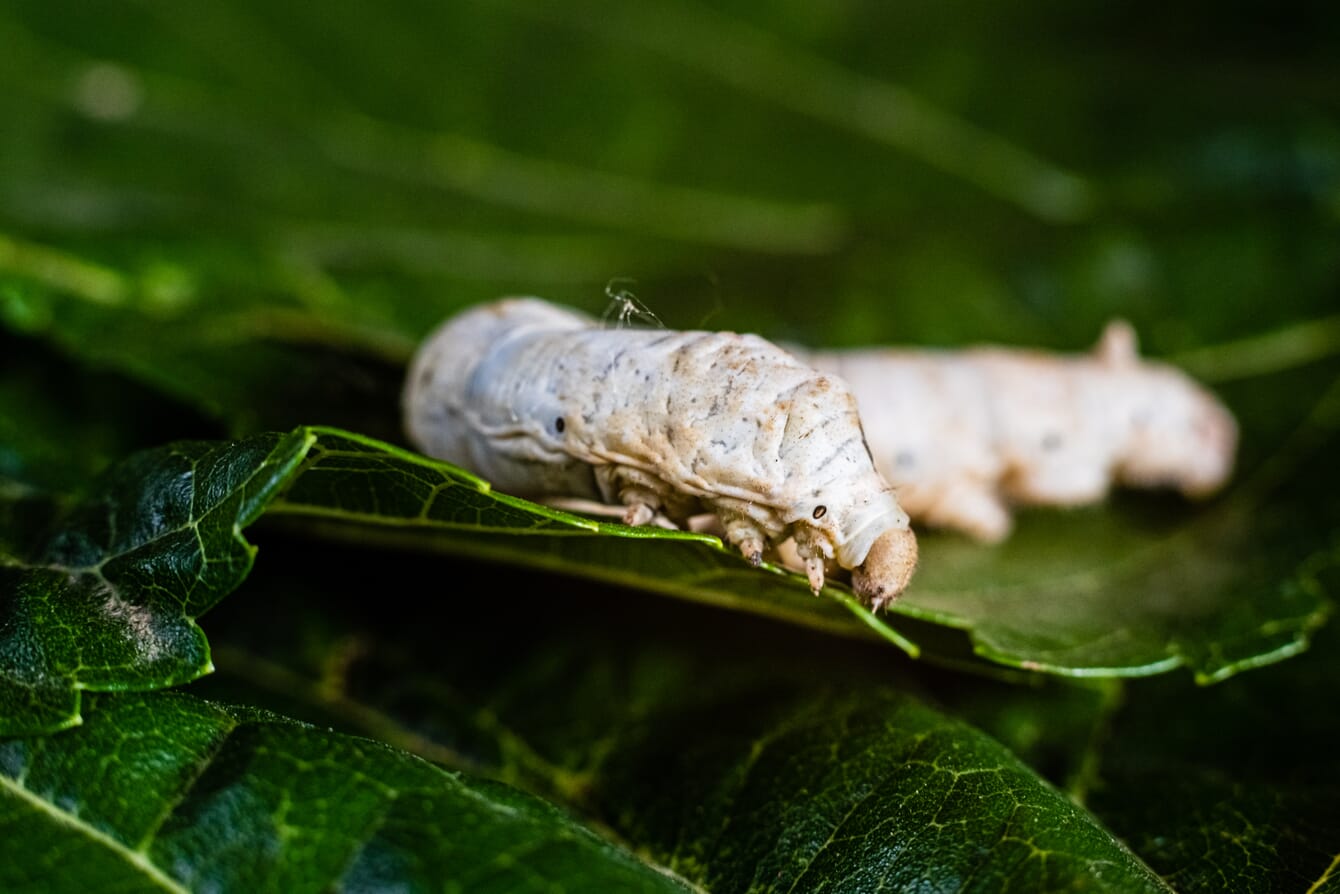
The Zhejiang Huzhou mulberry-dike fish-pond system is a closed-loop farm where mulberry on pond dikes supports silkworms, and their by-products plus pond nutrients help raise fish, fertilize plants and protects the rich biodiversity
You’ve noted that regenerative aquaculture barely appears in the literature. If you could redirect research funding in 2026, what three questions would you prioritise?
- Feed formulation from seaweed and seaweed-based food webs
- Seaweed-based biorefineries
- Vertically integrated polycultures
We’re seeing a lot of hype around seaweed. Where do you think the hype is ahead of the science, and where are we actually underestimating seaweed’s value?
The hype is indeed amusing and reveals the huge divide between East and West. Western nations and industry act as if they just discovered seaweed as a wonderful, multipurpose crop, ignoring the long culture and tradition of seaweed farming in Asia, where the first legal codes for allocating space to seaweed farming date from the 7th century.
Hence, the hype is lagging behind not just the science but also the evidence. Those championing their hype would be wise to first recognise Asian culture and leadership – avoiding cultural appropriation – and learn from their experience and practice. The value of seaweed crops can be increased many times through biotechnology approaches. However, a large share of the crops must be allocated to human and aquaculture animal feed to avoid biotech products competing for seaweed crops with humans, a recipe for disaster as experienced in the past in the case of biofuels, when high value created inflation in the global cereal market, leading to the “Arab spring” and turmoil in central and south American nations.
Which countries or regions do you think made real progress in 2025 in terms of licensing and creating space for aquaculture?
I have not seen any country making real progress, so hopefully I can have a more positive response in 2026. In this realm, I am encouraged to see DG Mare, in the European Union (EU), taking this topic seriously and working towards streamlining the licensing issue. However, whereas the common fisheries policy is managed at the EU level, aquaculture is managed by each individual member state.
Public perception of aquaculture is still mixed. If you could rewrite one dominant media narrative going into 2026, what would it be?
When looking back 200 years from now, the current period would not be recognised for the invention of the internet, AI or cryptocurrencies, but for the milestone of developing controlled food systems from the ocean.
Aquaculture is a fundamental path for the future of food security and public health, which can also help meet our climate and biodiversity goals, if regenerative models are embraced. Consumers have a huge role to play in driving aquaculture to a regenerative future by favouring regenerative products. This requires informing consumers on this concept and developing robust labeling codes, which are lacking.
What would you say to young scientists or entrepreneurs who want to work in aquaculture and ocean restoration, why should they choose this field?
They should choose this field because they will be contributing to making history, and there is a wealth of problems and opportunities they can contribute to solve and realise if they think big!
When people look back on the current phase of aquaculture development in 30 years, what do you hope they’ll say we got right?
I believe we are currently at a crossroads: if aquaculture opts to continue with the current mode of a focus on high-value carnivorous fish cultured in intensive cages, aquaculture would be recognised as a major driver of ocean decline and business failure. If, however, the industry opts to follow a regenerative path, aquaculture will be seen, 30 years from now as a hugely positive development. Our choices today will determine how the industry will be judged 30 years from now.
Duarte urges young scientists to “think big” and help shape a regenerative aquaculture future © Duarte


