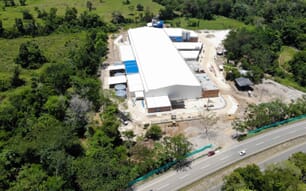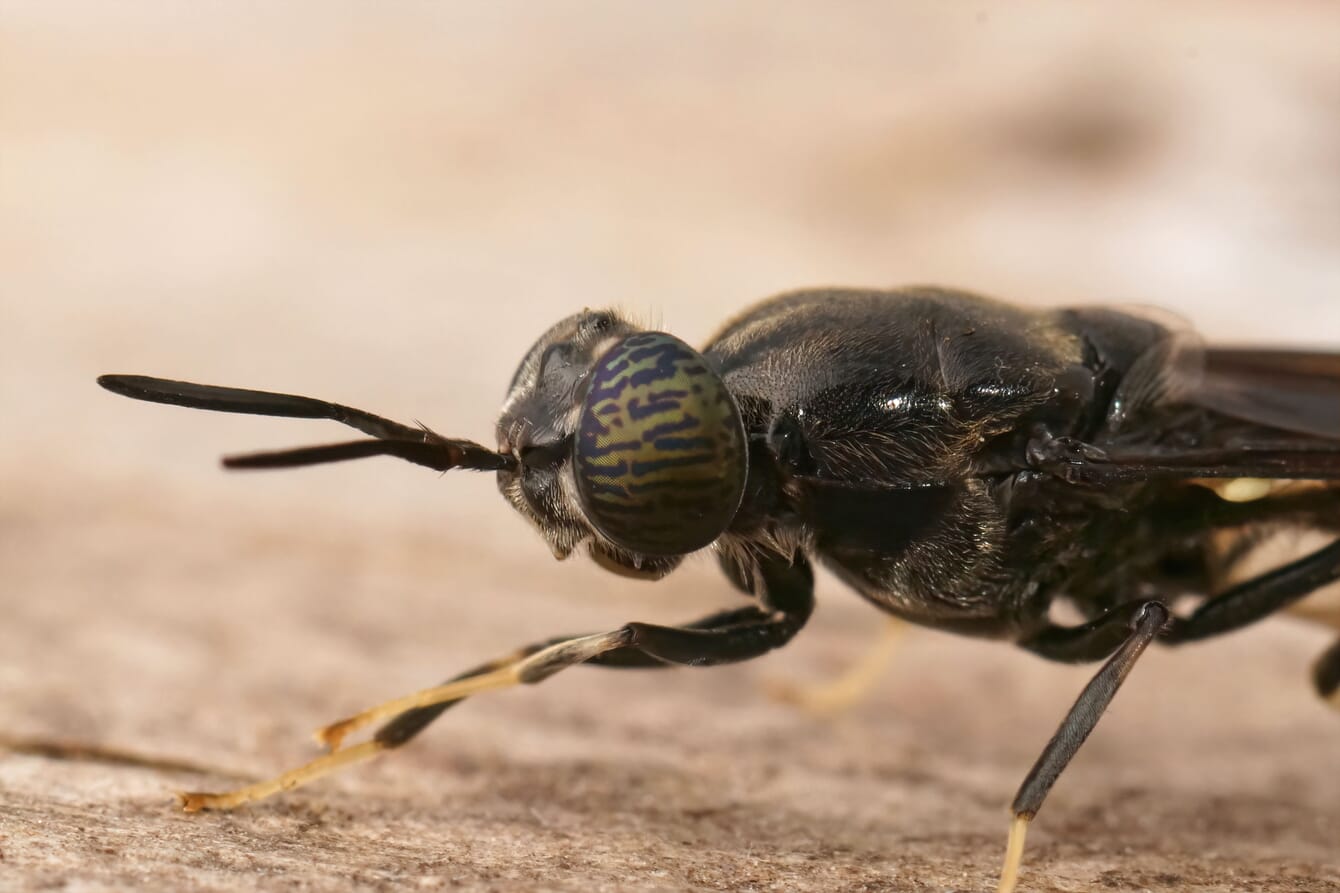
In 2021, Rabobank projected that demand for insect protein in animal feed and pet food could rise from roughly 10,000 tonnes at the start of the decade to 500,000 tonnes by 2030. A year earlier, Research and Markets had forecast that the global insect feed sector would reach USD 1.4 billion by 2024. More recent estimates from market-research firms such as IMARC and Emergen Research value the 2024 market in the USD 1.1–1.2 billion range, indicating that growth has been strong, though not quite at the pace once expected.
The past few years have also felt difficult for parts of the industry, marked by several high-profile closures. In 2023, US mealworm producer Beta Hatch shut down and auctioned its equipment. More recently, in October 2025, black soldier fly (BSF) producers Enorm Biofactory in Denmark and Inseco in South Africa filed for bankruptcy and ceased operations. French insect meal companies Ÿnsect and Agronutris entered court-supervised restructuring procedures in 2024-2025. Agronutris has since been recapitalised and taken over by La Compagnie des Insectes, while Ÿnsect is now in liquidation.
Taken together, these developments may appear troubling for a sector that, earlier in the decade, was expected to flourish. What, then, has changed, and how do those within the industry view the current landscape and its prospects for 2030?
The picture that emerges is less about failed science and more about hard economics, regulatory constraints and geography. Insects are increasingly proving their worth as functional, high-value ingredients, but their path to becoming a bulk, circular protein source at a commodity scale looks longer than many first imagined.
Strong science, modest volumes
From a scientific perspective, Giovanni Turchini, head of the School of Agriculture, Food and Ecosystem Sciences at the University of Melbourne, is clear that insect ingredients work in aquafeed – just not in the way early hype suggested.
“Insect ingredients play a useful but ultimately niche role in aquafeeds today,” he says. “Nutritionally, they are simply vehicles for nutrients, and what matters is the quality, quantity and bioavailability of those nutrients, not the novelty of the ingredient itself. The real promise of insects lies in circularity, but this is only realised when they are reared on biomass that fish cannot use directly or that legislation prevents from entering feed chains. When insects are grown on feed-grade substrates, they simply add another biological conversion step, with inevitable nutrient and energy losses, which limits their scalability as bulk protein sources.”
© University of Melbourne
Ikram Belghit, a fish-nutrition researcher at the Norwegian Institute of Marine Research (IMR), sees the same gap between biological potential and current market use.
“Insect meals have strong potential as sustainable ingredients in aquafeeds. They provide high-quality protein, balanced amino acids, functional lipids and highly digestible nutrients for many fish and shellfish species. Experimental studies consistently show that several insect meals can be included at levels up to 30-40 percent in diets without compromising performance in many species,” says Belghit.
In practice, however, their footprint in mainstream feeds is still tiny. In Norwegian aquaculture, novel ingredients such as insect meal currently represent around 0.4 percent of total feed ingredients.
For both researchers, the bottlenecks are less about fish biology than about product consistency, cost and regulatory limits on substrates. Current regulations in key markets still restrict the use of true organic waste, which holds back circularity and keeps costs high.
“Multiple studies, including ours [at IMR], show that some insect species can efficiently convert low-value waste streams, such as aquaculture sludge, into high-quality protein and fat,” says Belghit.
Both also point to large batch-to-batch variation in insect meals, making them harder to use than established, more predictable ingredients. For Turchini, there are additional biological limits to how efficiently insects can convert feed, as well as the energy-intensive processing needed to stabilise meals. Belghit, meanwhile, highlights that production volumes remain too small and prices too high for insect ingredients to really shape feed formulations yet.
Turchini is blunt about what recent failures actually represent.
“The recent industry failures reflect economic constraints and scaling challenges rather than scientific limitations. The science is sound, but many early business models were based on overly optimistic assumptions about access to waste substrates, production costs and rapid market uptake,” he says.
Belghit argues that regulation and policy will play a decisive role.
“Meaningful change must come from both industry investment and policy evolution. If circularity is a genuine goal for aquaculture, regulations need to allow safe and well-controlled use of more organic side streams as insect feed. Otherwise, scaling the sector sustainably will remain difficult,” she adds.
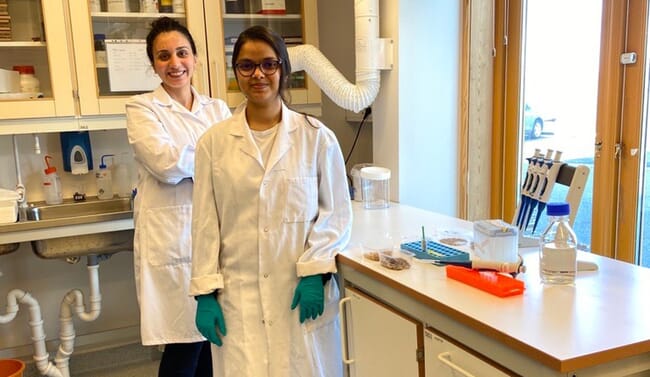
© Gopika Radhakrishnan, IMR
When the model breaks
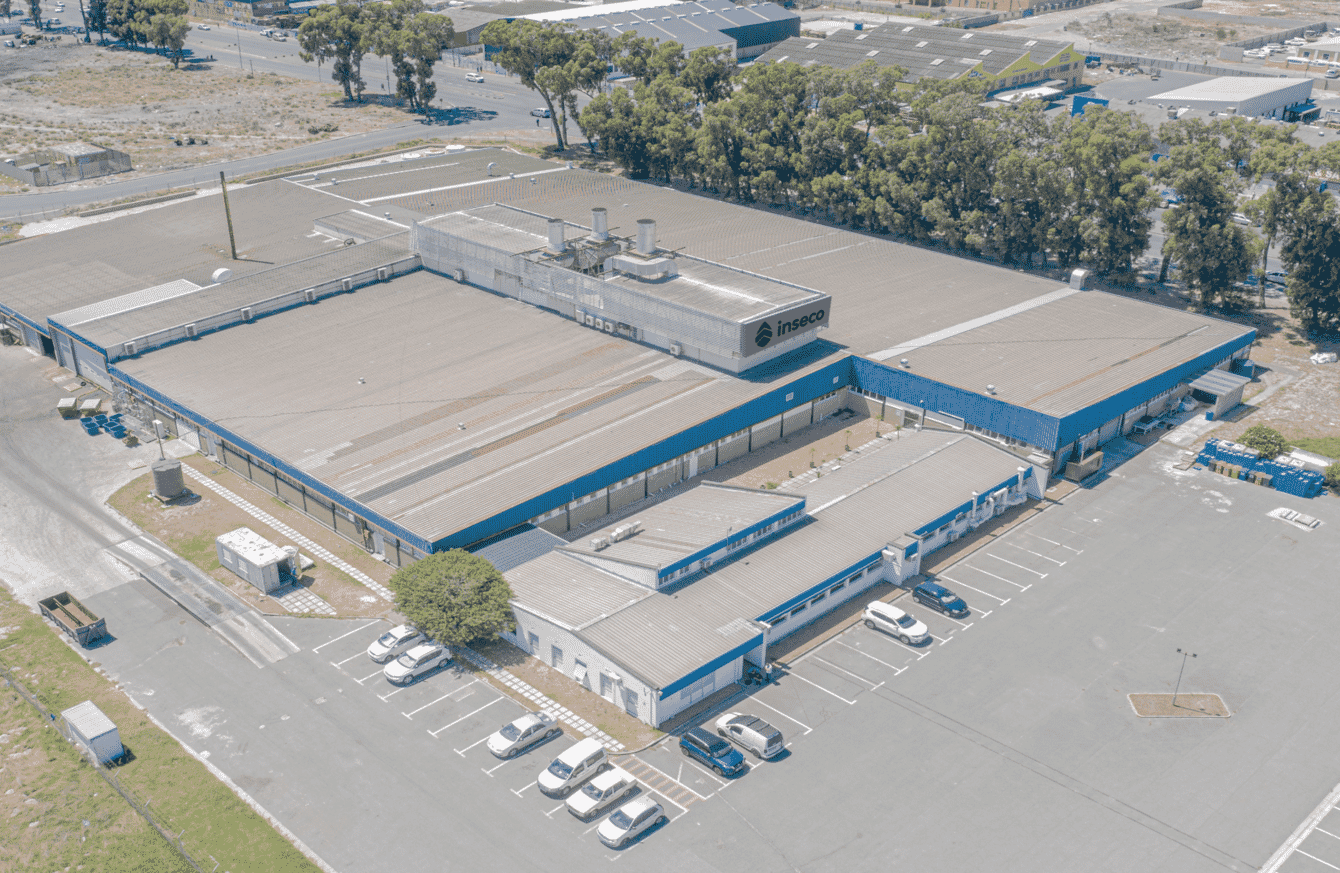
For Simon Hazell, former CEO of Inseco, that gap between promise and practice became uncomfortably clear. He is careful to emphasise that his experience should not be taken as a verdict on the wider sector, but his account shows how many variables must align for an insect-production plant to survive.
Inseco opted to use pre-consumer substrate (grains and factory off-cuts) rather than post-consumer substrate, such as kitchen scraps. The cleaner material was more expensive, but it offered more stable production and opened access to markets including pet food and exports to the European Union. According to Hazell, two further issues undermined the business: the production process proved more complex than anticipated, and both capital expenditure and energy costs ran higher than expected.
“Due to the structural cost pressures listed above, poultry and aquaculture became increasingly difficult markets to supply into. Whilst we had success in aquaculture, and saw really good results, we became increasingly pet food focused due to the higher pricing,” says Hazell.
Despite steady demand and decent pricing, he now believes Inseco overestimated how far its model could stretch. The company assumed it could be paid to take in “waste” and still sell a premium protein at the other end, but the choice to use cleaner, more costly substrates meant those gate-fee revenues never appeared. The business also relied on fishmeal prices continuing to rise – justifying higher insect-protein prices – and underestimated the execution risk of scaling a biological system. On top of this came unreliable energy supply, with power interruptions, and high maintenance costs in South Africa, all of which put the business under strain.
“In our case, we should have focused on higher margin applications. Taking in ‘waste’ and converting this into protein was really, really hard. We needed more scale, and even if we got this right, I still question if we would have made it,” says Hazell. “My opinion is that if you are going to do insects into protein, you should locate your facility in a geography that enables you to lower your costs. If this is not possible, I would then recommend focusing on higher margin applications.”
© Inseco
Why some players are still standing
While Inseco’s trajectory highlights the complexity of making the economics work, other players say that a more gradual build-out and a tighter focus on process design and industrial integration have allowed them to stay on course.
Nadège Audiffren, head of global communications at Innovafeed, says the company has built its strategy around three pillars: a proven, scalable industrial model demonstrated through the successful ramp-up of its Nesle site; a strong technical foundation backed by nearly a decade of R&D; and a clear commercial focus on aquaculture and pet food.
As it ramps up production at its Nesle site towards a target capacity of 15,000 tonnes of protein per year, Innovafeed has identified two lessons that diverge from the sector’s early assumptions.
“The transition to industrial scale requires far more engineering, data and operational rigor than the sector had initially imagined. Large-scale biology is demanding and requires extremely fine control of the process,” explains Audiffren. “Industrial integration is [also] a decisive success factor. Choosing a model in symbiosis with local industrial partners, connected to local coproduct streams and circular energy sources, has proven essential to ensuring both economic and environmental performance.”

© Innovafeed
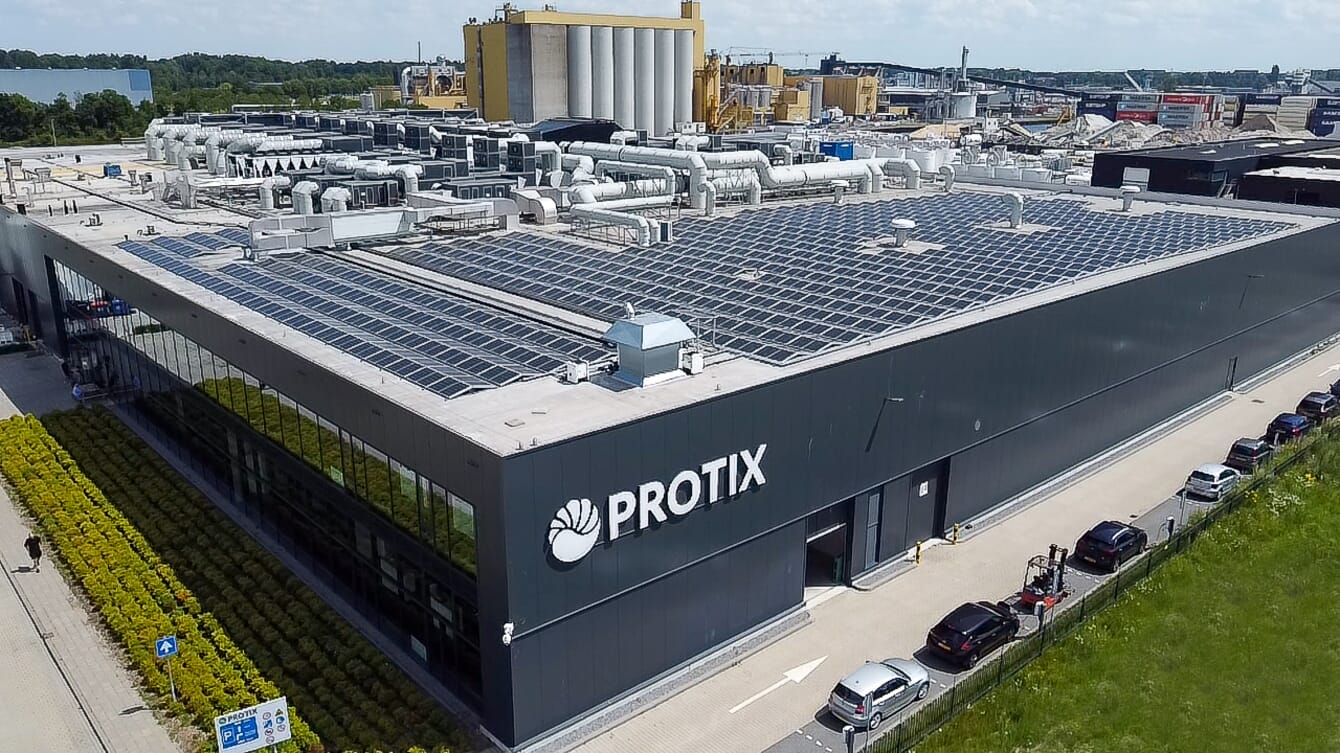
Maiko van der Meer, CEO of the Dutch producer Protix, offers a similar account of cautious, incremental growth. Protix has currently reached an annual production of 17,000 to 18,000 tonnes of live larvae.
“Unlike our black soldier fly larvae, which grow to their full size in just 10-14 days, at Protix, we have adopted a prudent, step-by-step approach to expanding and upscaling,” he says. “Our ethos has always been to work hand-in-hand with customers and other stakeholders to unlock the potential of black soldier fly ingredients... Our focus on growing in partnerships means we are now expanding internationally, despite market challenges.”
Protix has invested heavily in demonstrating the functional, health and performance benefits of its insect meal, sold under the name ProteinX – a quality the company attributes to its production process.
“Using a wet rather than a dry production process enables us to retain high nutritional value in ProteinX. Making our own feedstock choices gives us greater flexibility and allows us to optimise the recipe on a daily basis. Having both the farming and the ingredient production under one roof gives us an extremely high level of control and also a vast amount of data that we use to continually optimise production,” van der Meer says.
Beyond its protein value, Protix is increasingly positioning ProteinX as an additive rather than a simple fishmeal replacement.
“There is certainly growing interest in insect ingredients as an additive. This is driven by the foreseen scarcity of fishmeal in coming years,” van der Meer explains. “The introduction of soy as a lower cost replacement for fishmeal coincided with an increase in fish health issues, suggesting that fishmeal contains essential nutrients that cannot be derived from soy. So a viable alternative to both these options is needed. The solution is to use functional ingredients.”
© Protix
Looking to the tropics
While many of the most visible insect-meal ventures – and some of the most publicised failures – have been in Europe, scaling does not have to follow a European template. Some players argue that future growth may be easier in regions where climate, energy and proximity to aquaculture markets are naturally in their favour.
Singaporean company Entobel, for instance, has been producing BSF in Vietnam since 2015. By locating production in a tropical region where BSF naturally thrives, it aims to avoid the cost and complexity of creating artificial climates and to benefit from lower energy requirements. Vietnam also places Entobel close to large shrimp and fish farming sectors in Southeast Asia.
Models like this suggest that part of the sector’s future scale could come from lower-cost geographies that combine warm, stable climates suited to BSF biology, access to large volumes of agro-industrial co-products and immediate proximity to high-volume aquaculture markets.
Perspectives from the feed mill
For BioMar, one of the world’s largest aquafeed producers, insect ingredients have moved from novelty to reality, but not yet to scale.
“We have tested several suppliers of insect meal. Their technology has improved remarkably, and we now have products that perform well,” says Guilherme Sansão, global sustainability specialist at BioMar. “We have developed a few niche products testing market acceptance. Insects show great promise, but we remain in the testing phase, both in terms of product performance and commercial solutions.”
He explains that the main scaling hurdle remains costs.
“For insects to gain wider adoption, they must outperform vegetable proteins, fishery by-products, and other animal-derived ingredients in cost, performance and sustainability. Unfortunately, this is not yet the case,” says Sansão. “Currently, any increase in insect inclusion directly raises feed costs. Even when aiming to reduce carbon footprint, it can be achieved by incorporating other, lower-cost alternatives.”
Nevertheless, BioMar believes that collaboration with insect meal suppliers will allow scaling and lower costs over time.
© Innovafeed
“As the aquaculture sector grows, reliable, sustainable ingredient sources are essential. Maintaining a broad portfolio of raw materials is also critical to future-proof our feeds. Supply chain disruptions are unpredictable, and having scalable, high-performing, and sustainable ingredient options is pivotal to ensuring stability. We remain optimistic that our partners in the insect industry will become a commercially competitive part of this portfolio,” Sansão adds.
To address batch-to-batch quality, BioMar partners with companies that maintain strict control over what is fed to the insects, which helps reduce variation in nutrient profile. Sansão notes that they had some issues in the past when using full-fat insect meals, which were solved by adopting defatted insect meals – improving nutrient stability and ensuring a smoother extrusion process.
Demand in 2025 and beyond
Closures and restructurings have raised questions about the sector’s trajectory, but interviews across the field suggest the issue is less about demand and more about how the industry is adjusting to its next phase.
Turchini frames the current moment as a classic innovation cycle.
“What we are seeing now is a normal stage in the innovation cycle: after a peak of enthusiasm and investment, the sector has entered the ‘trough of disillusionment’, where expectations reset, weaker ventures contract or exit, and the gap between promise and practical viability becomes clear. This correction phase will likely continue for some time, and only after further adjustment, in both regulation and business models, the industry will settle into a stable, realistic plateau that reflects its true long-term role,” he says.
Audiffren argues that this recalibration may ultimately strengthen the sector.
“This phase is difficult for some players whose strategy or model differs from ours, but it is also a structuring step for the sector’s future,” she says, adding that she sees it as a natural transition towards a more mature industry.
She believes this period will help clarify which models are viable, strengthen the credibility of companies that have shown resilience and accelerate the sector’s professionalisation, supporting the development of a more sustainable, higher-performing value chain for aquaculture.
Protix, for its part, is already planning further expansion, linking its next phase of growth with efforts to build the market. The company expects demand to rise as the functional benefits of insect ingredients for high-value species become better understood.
“For our next facility, we plan to increase output by four times what we have in the Netherlands,” says van der Meer. “The shift to using insect ingredients in aquafeed is moving forward steadily and irreversible due to the unique benefits that insect ingredients, such as ProteinX, bring to aquafeed.”
Meanwhile, Turchini notes that the sector will need a clearer understanding of how insect products can be used for specific functional roles rather than as bulk protein replacements.
“Looking ahead to 2030, meaningful market penetration will require both regulatory and technical shifts. The most important change is regulatory reform enabling the safe use of true organic waste streams as substrates, which is essential for real circularity,” he says. “There are also untapped opportunities in exploring insect species capable of utilising cellulose-rich or otherwise inaccessible substrates, which could strengthen the sustainability case. Finally, we need a clearer understanding of the specific nutritional and functional attributes of different insect products so they can be used strategically in formulation. If these developments occur, insects could occupy a stable and specialised place in aquafeeds by 2030, though not the transformative role once imagined.”
© Innovafeed