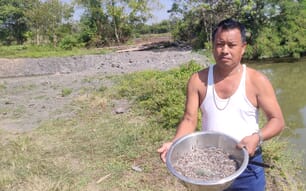
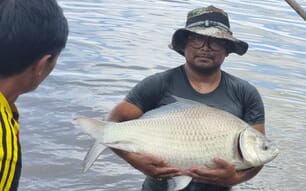
Chabungbam Bijoy Singh started fish farming in Manipur state, northeast India after he realised the huge potential in carp seed production around four decades ago. He dreams of developing his business into the state’s largest hatchery, so the region is self-su…
While seaweed processing and product development are receiving the most investments, research from Hatch Innovation Services suggests that limited availability of biomass is the biggest bottleneck in the industry – indicating that production deserves more doll…
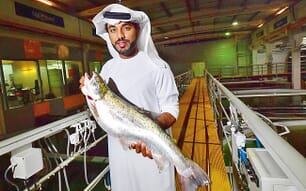
While many grandiose aquaculture projects have failed to live up to their promise in the Middle East, Fish Farms LLC – which includes a hatchery, cage farms and RAS facilities in Dubai – offers an example of what can be achieved under testing conditions.
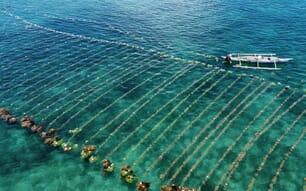
Pak Asdar Marsuki is working closely with seaweed farmers in South Sulawesi, where MARI Oceans – a community development vehicle – is trialling new technologies in a bid to optimise farming operations.
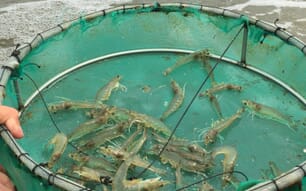
The shrimp sector is in for a difficult year, with many of the smaller farmers likely to go out of business, according to Rabobank’s latest Global Aquaculture Update, which was published this week.
After deciding to become a fish farmer at the age of 13, Soibam Surchandra Singh is now one of the most successful aquaculture operators in Manipur, northeast India.
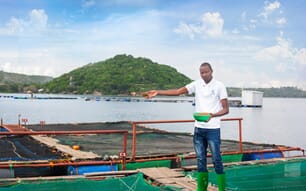
Over the last 11 years Mpanju Elpidius has grown his tilapia farm from scratch, to become one of Tanzania’s largest farmers – producing over a million fingerlings as well as 20 tonnes of market-sized fish every month.
Following the launch of a new tilapia welfare assessment programme in China, IQC’s Conglong Li and Sisi Xie explain why they are working with FAI to raise awareness of its importance – both for ethical and economic reasons.
As many aquaculture operators feel the economic pinch, this article suggests a number of ways in which production efficiency – and thereby economic performance – can be improved.
Though many are still at the pilot stage and haven’t been proven at an industrial scale, analysis from Spheric Research suggests that indoor shrimp farming has huge potential to transform the wider industry.
Indonesia needs a sustainable source of funding to conserve and restore its blue carbon ecosystems and combat climate change – and carbon credits may be the solution that helps them flourish.